Josh Brolin Opens Up About Donald Trump — And Why Their Worlds Crossed More Than You’d Think
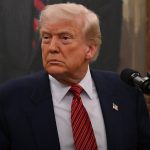
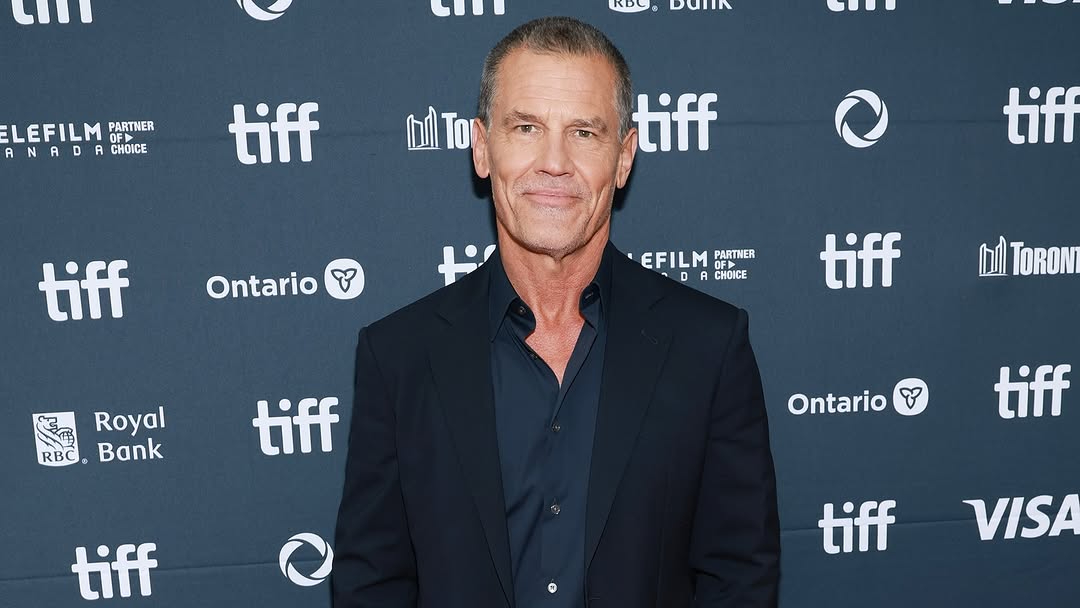
Josh Brolin has never been shy about calling things as he sees them, and his latest remarks about Donald Trump have ignited fresh conversation across Hollywood and beyond. Speaking candidly in a recent interview, the actor described Trump as a “marketing genius,” a comment that surprised some fans and intrigued others who wondered how their paths ever crossed in the first place.
For Brolin, the comment wasn’t about politics. It was about influence, identity and the strange places where power circles intersect.
Inside the Comments Heard Across Hollywood
Brolin’s words caught attention because they came from someone known for being grounded, measured and thoughtful. When he described Trump’s ability to command attention, shape narratives and stay at the centre of public conversation, he did so almost analytically, as though he were observing another performer.
He spoke less about political ideology and more about the spectacle of modern leadership. In Brolin’s eyes, Trump’s ability to dominate media cycles reflects an instinct for branding that few public figures ever master.
When Hollywood and High-Power Politics Share the Same Rooms
So how did the actor known for “No Country for Old Men,” “Sicario” and Marvel’s Thanos end up commenting on Trump with such familiarity?
Because, for decades, both men moved through overlapping spaces where entertainment, business and influence blend.
Exclusive events, industry gatherings, charity galas, New York and Los Angeles social networks — these are places where actors, moguls, politicians and wealthy power players routinely mix. Trump, long before politics, was a fixture in celebrity culture. Brolin, as a rising star and later an A-list actor, naturally crossed paths in circles where profile matters just as much as profession.
Their interactions weren’t about ideology. They were a by-product of fame, visibility and proximity.
“Marketing Genius”: What Brolin Really Meant
When Brolin called Trump a marketing genius, he wasn’t praising policy or endorsing a political movement. He was commenting on a skill set: an ability to stay in the spotlight and shape public perception.
Brolin, who has spent his life working within an industry where image can make or break careers, understands the mechanics of attention better than most. He noted Trump’s instinct for timing, drama and narrative — qualities that, in entertainment, fuel a blockbuster.
To Brolin, Trump’s public persona is a performance, one that has kept millions engaged whether they love him or oppose him.
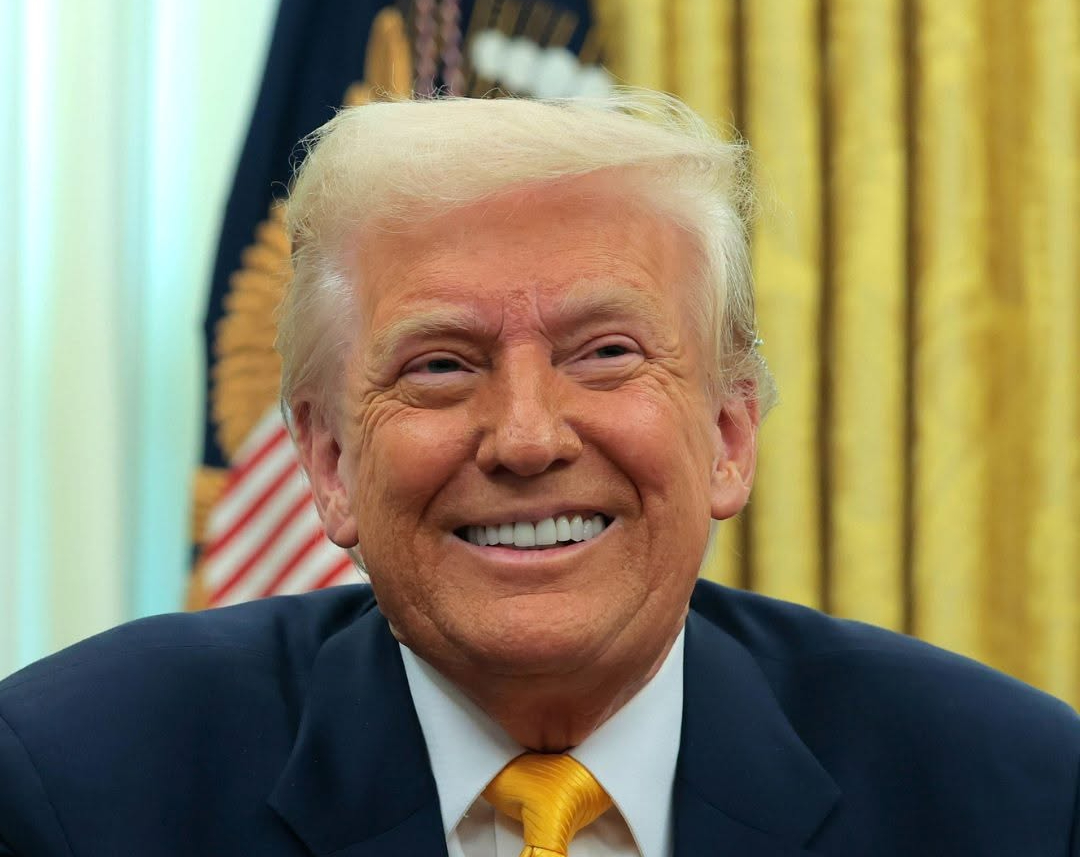
Donald Trump
The Performance of Power: Why Brolin Finds Trump Fascinating
Actors are trained observers of human behaviour. And in Trump, Brolin sees someone who understands the theatre of modern public life. The rallies, the catchphrases, the gestures, the confrontations — they mirror the rhythms of showmanship.
Brolin’s remarks suggest admiration not for the politics but for the mechanics of influence. It’s a view that many in Hollywood privately share but rarely articulate so openly.
The Bigger Picture: Celebrity Influence and Political Spotlight
Brolin’s comments highlight a cultural truth: the line between entertainment and politics has blurred. Public figures now operate on a shared playing field where visibility creates power, and every moment becomes a performance.
His remarks spark a larger question. Do celebrities shape political perception more than they realize? And when an actor praises a political figure’s media savvy, does it influence how audiences interpret that figure, even indirectly?
These are questions that live at the intersection of fame, influence and the modern media machine.
Why Josh Brolin’s Perspective Resonates
Brolin’s candid tone is part of why his comments gained traction. Whether people agree with him or not, he speaks in a way that feels grounded and honest, not sensational. And because he’s not known for political outbursts, his insight lands differently — more observational than provocative.
At the very least, his reflections offer a window into how Hollywood insiders view the strange dance between power, perception and the people who command the spotlight.