
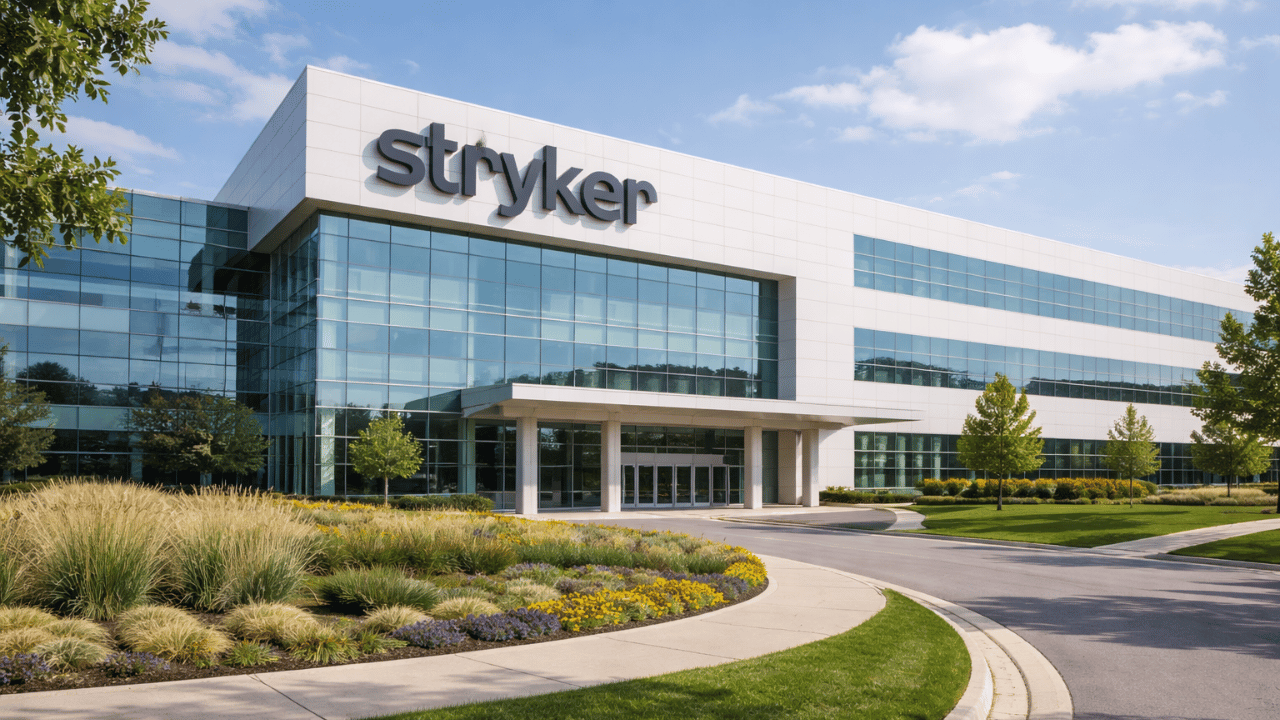
Cyberattack Hits Medical Device Giant Stryker, Disrupting Global Systems
Stryker, one of the world’s largest medical device manufacturers, is investigating a cyberattack that disrupted its global network systems Wednesday, raising fresh concerns about cybersecurity risks across the healthcare supply chain. The company confirmed the incident in a statement and regulatory filing, saying the full operational impact and timeline for restoring affected systems remain unclear.
Key Takeaways
• Medical device giant Stryker says a cyberattack disrupted its global network systems
• The company says there is no indication of ransomware or malware so far
• The full operational and business impact is still under investigation
What Happened
Stryker disclosed the cybersecurity incident after detecting disruptions across its global technology infrastructure.
In a statement published on its website, the Portage, Michigan–based medical device company said internal teams moved quickly to contain the issue and begin investigating the cause of the cyberattack.
“We have no indication of ransomware or malware and believe the incident is contained,” Stryker said, adding that its teams are working rapidly to understand how the attack affected its systems.
In a filing with the U.S. Securities and Exchange Commission, the company said it has not yet determined the full scope of the incident or how long it may take to restore affected systems.
The disruption affected Microsoft-related programmes used across Stryker’s corporate technology environment.
External reporting cited by The Wall Street Journal indicated that the logo of Handala, a hacking group linked to Iran, appeared on some company login pages. Stryker itself has not publicly attributed the attack.
Stryker is among the largest medical device manufacturers in the world, producing products ranging from artificial joints and surgical equipment to hospital beds. The company generated more than $25 billion in revenue in 2025 and employs approximately 56,000 people globally.
Cybersecurity Risks for Healthcare Manufacturers
For business leaders, the Stryker incident highlights how cyberattacks are becoming a growing operational risk for companies that supply critical healthcare infrastructure.
Medical device manufacturers operate complex global networks linking production facilities, logistics systems, hospital procurement platforms and service teams. Disruptions to those systems can slow manufacturing coordination, interrupt product distribution and delay support services for hospitals and healthcare providers.
Because hospitals depend on manufacturers like Stryker for surgical equipment, implants and operating room technology, problems affecting large suppliers can ripple quickly through healthcare systems.
The attack also underscores broader concerns around medical device cybersecurity and the resilience of healthcare supply chains.
As healthcare infrastructure becomes more digitally connected, protecting enterprise systems has become an increasingly important part of corporate strategy and enterprise risk management for companies operating in critical sectors.
For CEOs and boards, incidents like this reinforce a wider shift: cybersecurity is no longer purely a technical issue but a strategic business risk that can affect operational continuity, supply chains and corporate reputation.
Wider Industry Context
Cybersecurity experts say attacks targeting healthcare and medical technology companies have increased as digital infrastructure becomes central to hospital operations and global medical supply chains.
Alexander Leslie, senior adviser at threat intelligence firm Recorded Future, said targeting a major U.S. healthcare manufacturer represents an escalation in cyber threat activity.
Attacking a high-profile healthcare supplier, he noted, can create pressure points capable of generating strategic and political ripple effects.
Healthcare supply chains have also become increasingly interconnected, making large manufacturers attractive targets for attackers seeking maximum disruption.
For hospitals and surgeons that depend on global suppliers like Stryker, the reliability of those digital systems has become almost as critical as the medical devices themselves.
What to Watch Next
Executives and investors will now be watching for updates on how quickly Stryker can restore affected systems and whether the cyberattack materially affects operations, manufacturing coordination or product distribution.
The investigation may also determine whether the incident was financially motivated or linked to broader geopolitical cyber activity.
For corporate leaders across healthcare and other critical industries, the episode reinforces a wider shift: cybersecurity incidents are increasingly viewed as strategic operational risks capable of disrupting supply chains and business continuity.