

Yuka App: The Truth Behind Scanning Your Food and Beauty Products
From health-conscious shoppers to curious consumers, the Yuka app has become a go-to tool for checking what’s in your food, cosmetics, and personal care products. It promises a quick way to understand ingredients, nutrition, and potential health impacts. But is it really trustworthy, and are we sometimes going too far in scanning every item we buy?
What Is the Yuka App?
Yuka is a mobile application that scans barcodes on products to give users an instant health rating. Its goal is simple: to help consumers make informed choices by rating items based on nutritional quality, additives, or cosmetic ingredients.
For food, Yuka calculates a score based on calories, fat, sugar, and salt content. For cosmetic products, it highlights potentially harmful or controversial ingredients. The app also suggests healthier alternatives when a product receives a lower score, making it feel like a personal shopping assistant for wellness-minded users.
Where Is Yuka From?
Yuka was developed in France, where health-conscious consumers and digital tools have been merging in innovative ways. Since its launch, the app has grown internationally, attracting millions of users in Europe and beyond.
Is Yuka Trustworthy?
Yuka is generally considered a helpful educational tool, but it has some limitations. The app relies on public ingredient data and algorithms, which means scores are simplified and may not account for every nuance of a product’s health effects. Nutritional assessments are broad, so a product marked moderate or poor may not necessarily be unhealthy in context. Cosmetic ingredient ratings are based on potential risks, not actual exposure levels, which can lead to overly cautious conclusions.
Yuka is trustworthy as a guide, but it should not replace professional advice from nutritionists, dermatologists, or medical professionals.
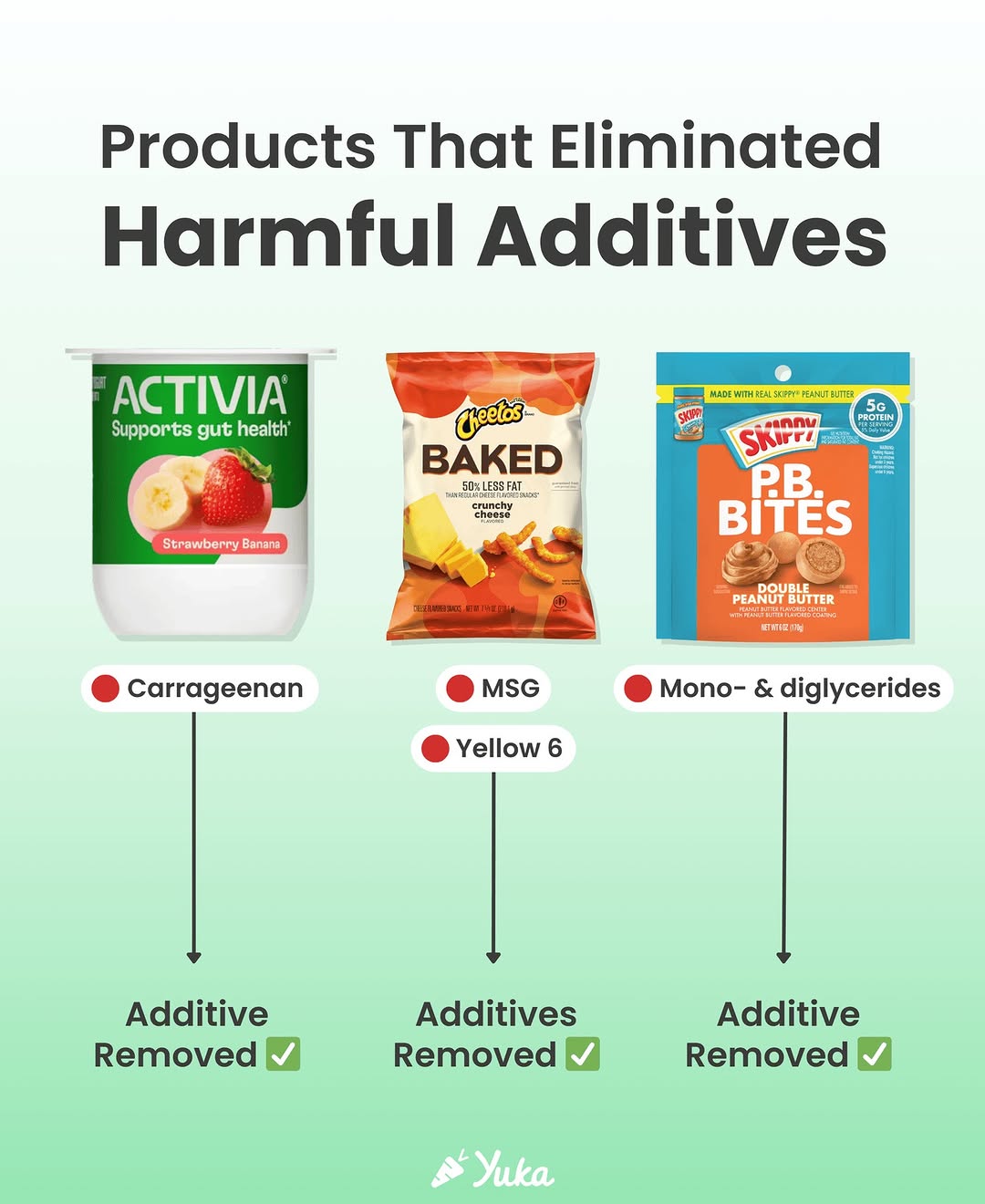
@Yuka_app_us
Criticisms of the Yuka App
Despite its popularity, Yuka has faced several criticisms. Reducing complex nutritional and cosmetic science into a single score can be misleading. Some users report unnecessary worry over ingredients they do not understand. Users have also noted that some products are missing or incorrectly categorized. These criticisms have sparked a debate about whether apps like Yuka help consumers make smarter choices or fuel anxiety.
Are People Going Too Far With Scanning?
It is easy to get caught up in scanning everything you buy. Some users check almost every ingredient, even on simple items like toothpaste or cooking oil. Experts warn that this hyper-vigilance can cause unnecessary worry over safe ingredients, create a false sense of control or food guilt, and make shopping stressful rather than enjoyable. Using Yuka as a general guide rather than a strict rulebook is often the best approach.
Why Some Say Yuka “Only Has Six Months to Live”
Rumors that Yuka might be short-lived are not literal. The phrase often refers to the idea that scanning obsession is a passing trend. As consumers become more educated about ingredients, many may no longer feel the need to rely on an app for every purchase, especially as labels and ingredient transparency improve.
How to Use Yuka Wisely
If you want to use Yuka without becoming overwhelmed, scan products occasionally rather than obsessively. Focus on major categories like processed foods or unfamiliar cosmetics. Read about ingredients in context rather than panicking over a rating. Remember that moderation, variety, and overall lifestyle matter more than a single score.
The app works best as a learning tool to guide smarter choices, not as a rulebook that dictates every purchase.
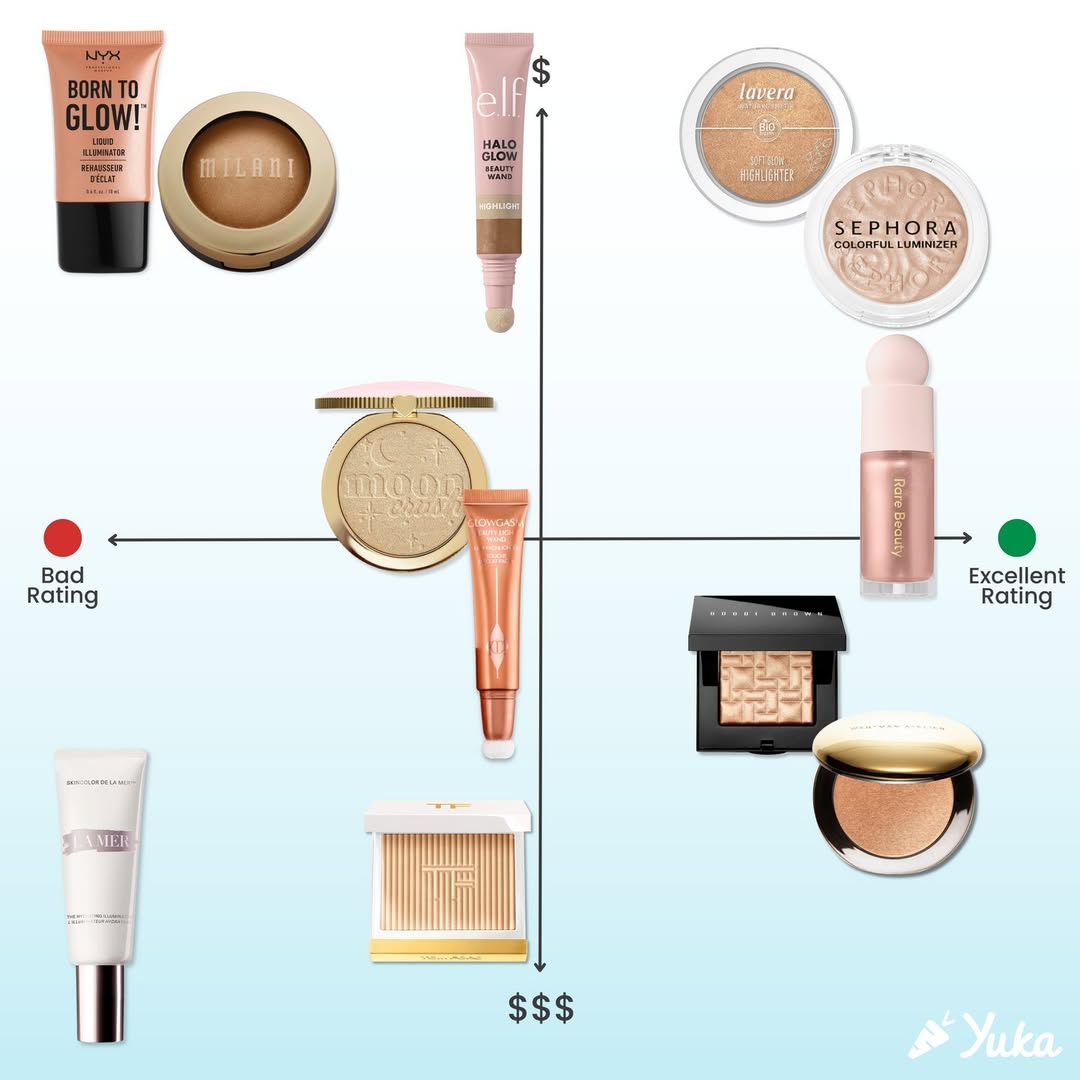
Yuka app rating Highlighter products
Final Thoughts
Yuka can be a fun and eye-opening tool for anyone curious about what they are putting in or on their body. It encourages mindfulness about ingredients, nutrition, and health, which is valuable in a world of ever-expanding product choices.
However, using the app excessively can lead to scanning anxiety and misinterpretation. The best approach is to use it as a guide, not a judge, and balance digital insights with common sense, professional advice, and personal experience.