

Protecting Mental Health as Cyberbullying Targets Public Figures
Cyberbullying is no longer limited to anonymous internet arguments or teenage social media drama. In recent years, public figures across entertainment, politics and culture have become increasingly visible targets of online abuse. From actors and musicians to high profile figures like France’s First Lady Brigitte Macron, digital harassment has become a public issue with very real emotional consequences.
As online spaces grow louder and more opinion driven, the line between commentary and cruelty continues to blur. What this rise in cyberbullying highlights most clearly is the growing need for stronger mental health protection in the public eye.
Why Public Figures Are More Exposed Than Ever
Public figures live in a constant feedback loop. Social media offers instant access, unlimited commentary and often complete anonymity for those posting abuse. Algorithms reward outrage and controversy, meaning negative content spreads faster than neutral or kind messages.
For figures in the public spotlight, this creates an environment where criticism is unavoidable and personal attacks can escalate quickly. Even individuals who have not chosen celebrity in the traditional sense, such as political partners or family members, can suddenly find themselves under intense scrutiny.
The emotional toll of this exposure is significant. Studies and mental health professionals increasingly acknowledge that persistent online harassment can contribute to anxiety, depression, sleep disruption and long term stress.
The Mental Health Impact of Online Harassment
Cyberbullying differs from traditional bullying because it follows people everywhere. Phones, tablets and laptops make harassment inescapable, and the permanence of online content can intensify feelings of powerlessness.
For public figures, the pressure is amplified by visibility. Abuse is not only personal but often public, dissected and reshared. The expectation to remain composed or silent can discourage individuals from addressing the emotional impact openly.
This is why conversations around mental health protection have become central to how public figures manage their lives and careers.
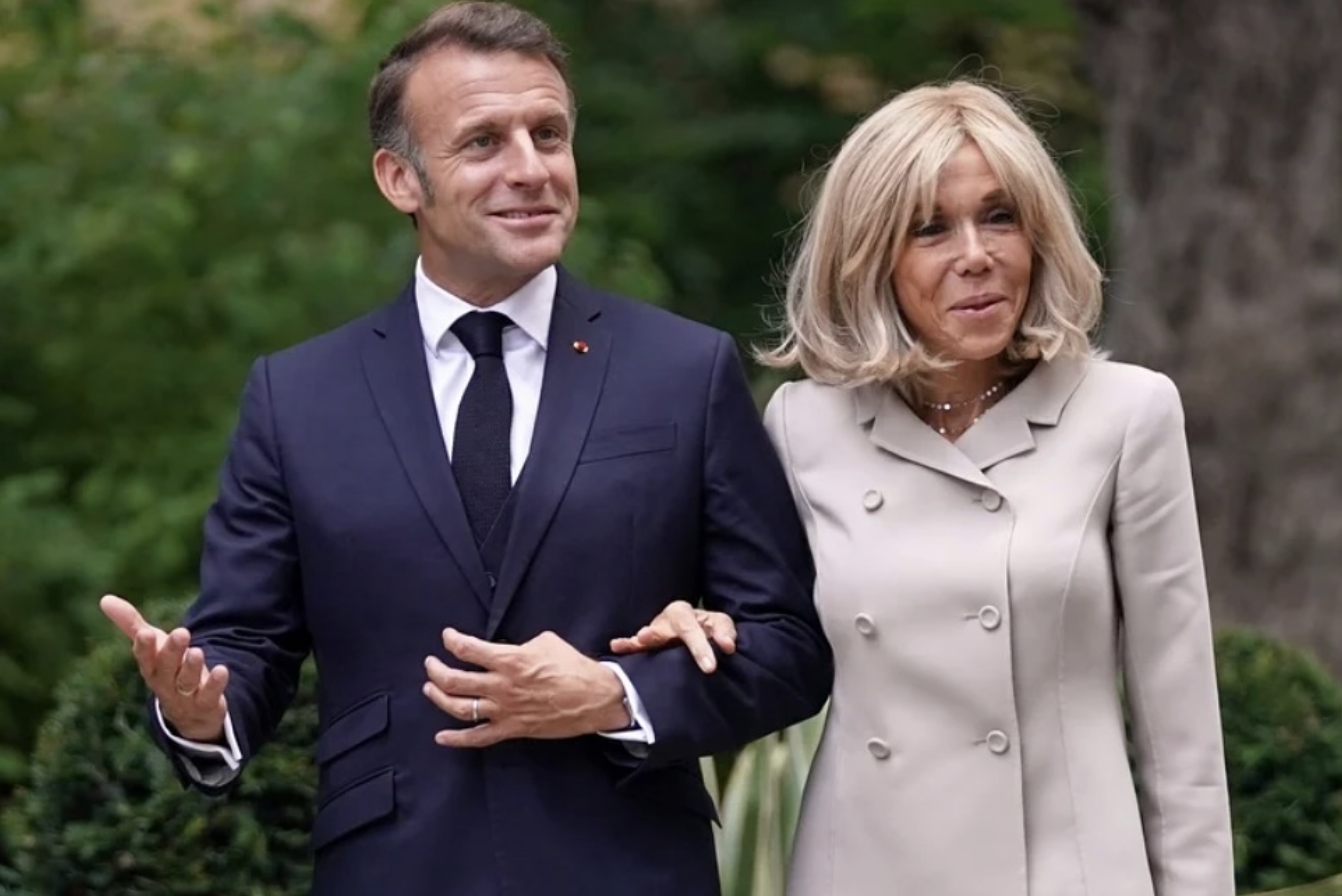
Brigitte Macron and Emmanuel Macron
How Public Figures Protect Their Mental Health Online
Many public figures now take proactive steps to protect their wellbeing in digital spaces. One common approach is limiting direct engagement with social media, either by delegating account management to teams or setting strict boundaries around when and how platforms are used.
Others openly discuss therapy, mindfulness practices and taking digital breaks as essential tools rather than luxuries. Normalising professional mental health support has become an important cultural shift, helping to reduce stigma for both public figures and everyday users.
Legal routes are also increasingly seen as part of mental health protection. Holding individuals accountable for online harassment sends a broader message that digital abuse has real world consequences and should not be tolerated.
The Role of Support Systems and Professional Teams
Behind most public figures is a network of support that includes family, close friends, mental health professionals and media advisors. These systems play a crucial role in helping individuals process online abuse without internalising it.
Public relations teams now work alongside mental health experts to advise on when to respond publicly, when to stay silent and how to protect personal boundaries. This holistic approach recognises that reputation management and emotional wellbeing are deeply connected.
What This Means for the Wider Digital Culture
While high profile cases draw attention, cyberbullying is not limited to public figures. The same dynamics play out on a smaller scale for everyday users, especially women, marginalised groups and young people.
Seeing public figures speak openly about mental health and set boundaries online helps shift expectations for everyone. It reinforces the idea that abuse is not the price of visibility and that digital spaces can and should be safer.
As legal systems, platforms and public attitudes continue to evolve, protecting mental health in the age of cyberbullying is becoming a shared responsibility rather than an individual burden.
Moving Toward Healthier Online Spaces
The rise of cyberbullying has forced an overdue conversation about accountability, empathy and mental health in online culture. For public figures, protecting wellbeing is no longer just personal. It is cultural leadership.
By setting boundaries, seeking support and challenging harmful behaviour, those in the spotlight are helping redefine what is acceptable online. In doing so, they remind us that behind every profile, public or private, is a real person deserving of respect.