
The Richest Governors in America: How Personal Wealth Shapes State Power in 2026
When State Leadership Meets Private Fortunes
Governors are paid public servants, but in 2026 some of the most powerful state leaders operate with personal fortunes that dwarf their official salaries. That imbalance matters. Personal wealth can influence how leaders fund campaigns, absorb political risk, approach taxation, and resist donor pressure.
Across the U.S., gubernatorial salaries range from roughly $70,000 to more than $250,000 a year. Yet several governors oversee state budgets worth hundreds of billions while holding personal net worths in the tens of millions — or, in one case, billions.
This is not about optics or lifestyle. It is about financial independence, leverage, and decision-making under pressure. Below are the richest sitting governors in America as of early 2026, ranked by estimated personal wealth, with context on how that wealth intersects with their political power.
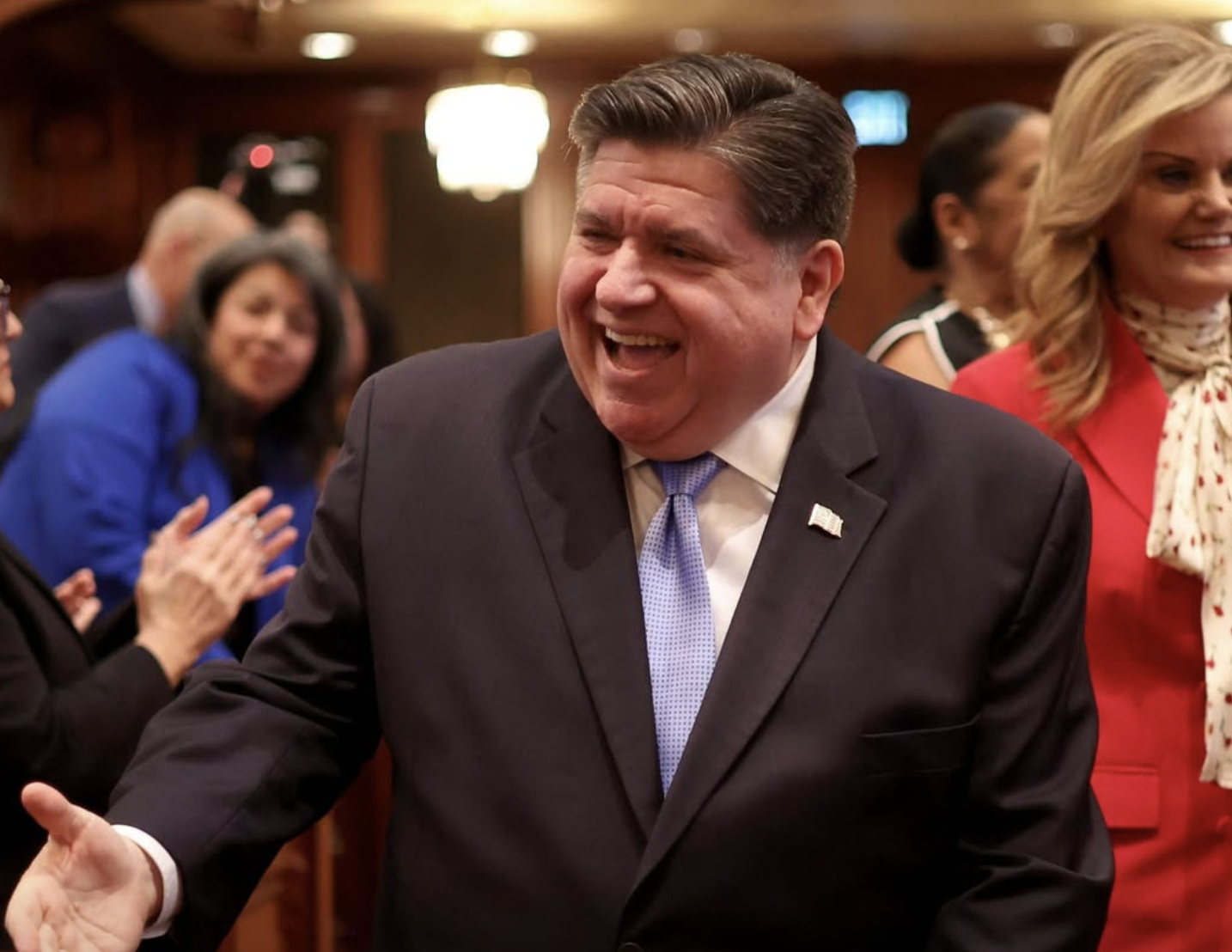
J.B. Pritzker (Illinois): The Billionaire Governor Who Doesn’t Take a Salary
Estimated Net Worth: ~$3.7 billion
Governor Salary: Forgone
Primary Wealth Source: Hyatt Hotels family fortune, private investments
Illinois Governor J.B. Pritzker is the wealthiest sitting governor in the United States by a wide margin. His fortune comes from the Pritzker family’s long-standing ownership of Hyatt Hotels and diversified private holdings across real estate and finance.
Pritzker does not take a gubernatorial salary, a symbolic and practical choice that reinforces his independence from public pay and donor networks. His campaigns have been heavily self-funded, allowing him to spend aggressively without traditional fundraising constraints.
That independence has shaped his governing style. Pritzker has backed large infrastructure spending, aggressive fiscal interventions, and progressive tax debates while absorbing political backlash without personal financial exposure. Supporters argue this frees him to govern without donor pressure. Critics counter that his wealth distances him from the lived economic realities of Illinois residents.
Either way, Pritzker represents a rare case: a state executive whose personal balance sheet exceeds that of many Fortune 500 CEOs.
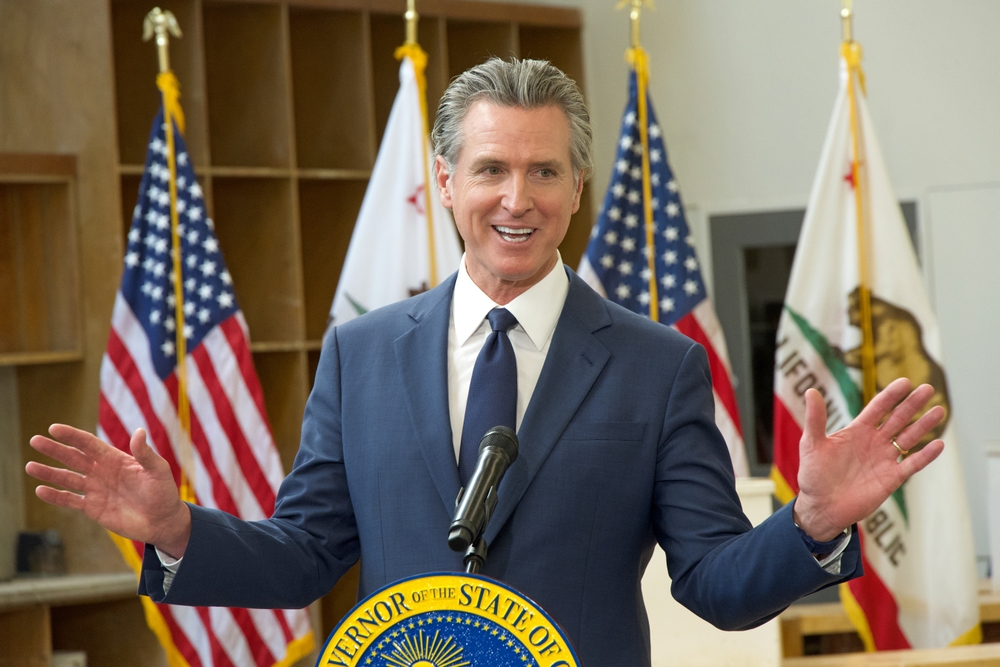
Gavin Newsom (California): From Hospitality Entrepreneur to America’s Highest-Profile Governor
Estimated Net Worth: ~$20–25 million
Governor Salary: ~$242,000
Primary Wealth Source: Hospitality businesses, investments, real estate
California Governor Gavin Newsom’s wealth is not inherited at billionaire scale, but it is substantial by political standards. Before entering public office, Newsom co-founded and built a hospitality group spanning wineries, restaurants, and boutique hotels. Those early ventures created a financial base that continues to support him today.
Newsom is among the highest-paid governors in the country by salary, yet his personal net worth far exceeds what he earns in office. That background matters. He governs the world’s fifth-largest economy with firsthand experience as a business operator navigating regulation, labor costs, and taxation.
His financial independence has played a quiet role in major policy fights — including debates around wealth taxes, housing regulation, and corporate relocation. Newsom’s critics often point to his business roots when questioning his positions on taxation. His allies argue those same roots give him credibility in managing California’s economic complexity.
In national political discussions, Newsom’s combination of personal wealth, executive experience, and state-level power places him in a unique strategic category.
Ned Lamont (Connecticut): Wealth as a Shield Against Political Dependence
Estimated Net Worth: ~$100+ million
Governor Salary: Forgone
Primary Wealth Source: Telecommunications, investments, family wealth
Connecticut Governor Ned Lamont occupies a quieter but financially powerful position among America’s governors. A former telecommunications entrepreneur and investor, Lamont entered politics with significant personal wealth and chose not to accept a governor’s salary.
Lamont has also self-funded large portions of his political campaigns, reducing reliance on traditional donor coalitions. That independence has allowed him to position himself as fiscally pragmatic, often balancing progressive priorities with budget discipline.
In a state heavily influenced by financial services and insurance firms, Lamont’s wealth offers insulation from sector-specific pressure. At the same time, it raises questions about representation in a state with wide income disparities.
Lamont’s model is less visible than Pritzker’s but structurally similar: personal capital used as a stabilizer in high-stakes governance.
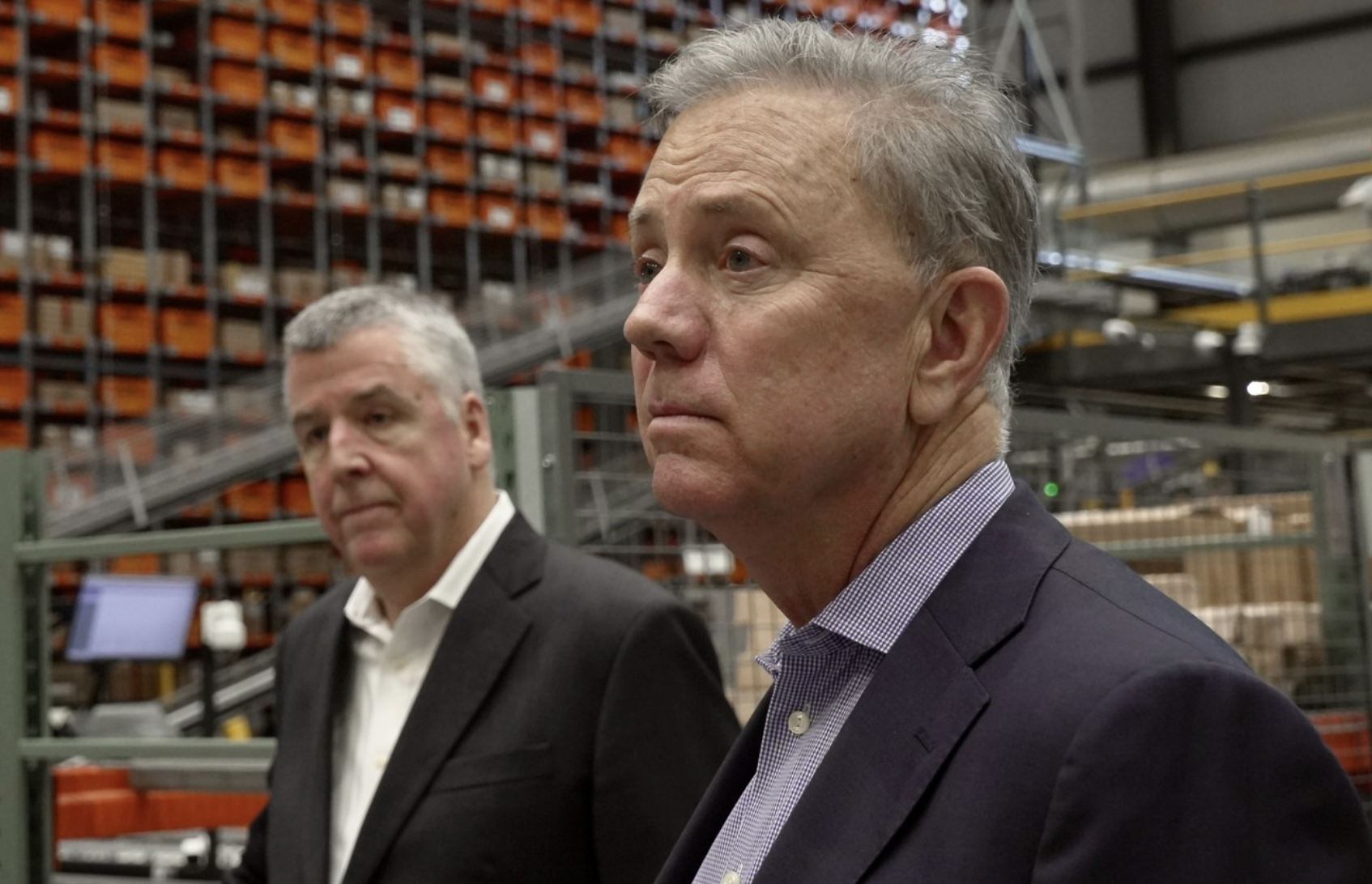
Ned Lamont
Kim Reynolds (Iowa): High Salary, Modest Wealth, High Exposure
Estimated Net Worth: ~$2–4 million
Governor Salary: ~$130,000
Primary Wealth Source: Public service income, family assets
Iowa Governor Kim Reynolds represents the opposite end of the wealth spectrum among powerful governors. While not poor by national standards, her personal net worth is modest compared to her peers on this list, and her state salary remains a primary income source.
That difference matters. Governors without substantial independent wealth face greater exposure to political risk, donor influence, and post-office career considerations. Reynolds governs in an environment shaped by agriculture volatility, trade policy shifts, and federal-state funding dynamics — all with limited personal financial insulation.
Her profile highlights a critical contrast: two governors may hold the same constitutional authority, but their financial leverage is radically different.
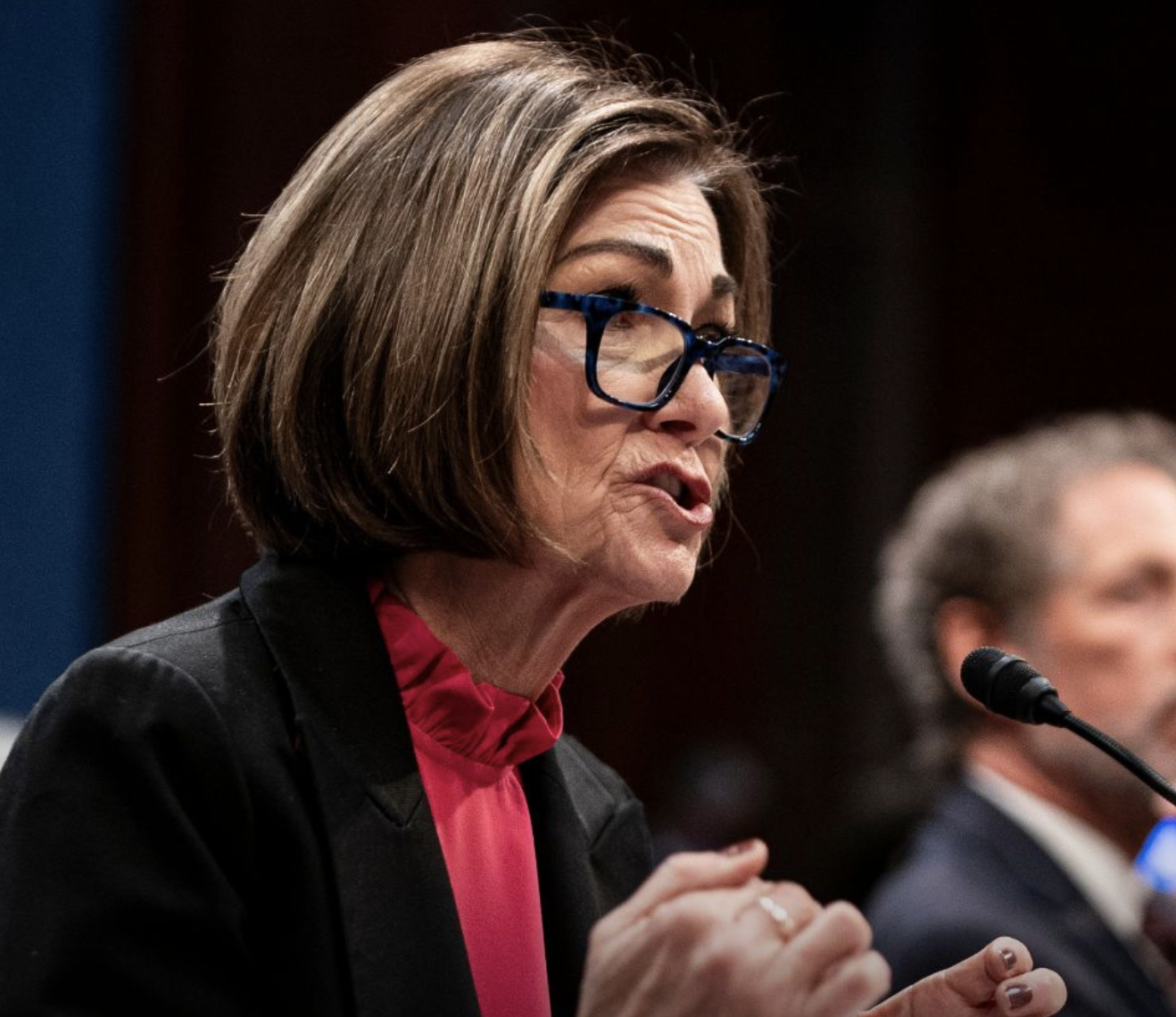
Kim Reynolds
Josh Shapiro (Pennsylvania): The Highest Salary Governor with Middle-Class Wealth
Estimated Net Worth: ~$5–7 million
Governor Salary (2026): ~$253,000
Primary Wealth Source: Legal career, public service, investments
Pennsylvania Governor Josh Shapiro is set to become the highest-paid governor in the United States by salary in 2026 following cost-of-living adjustments. His personal net worth, however, remains closer to upper-middle-class levels compared with billionaires like Pritzker.
Shapiro’s financial profile is typical of career public servants who transitioned from law into politics. His salary reflects the scale of Pennsylvania’s economy and governance demands rather than personal wealth accumulation.
This positioning creates a different incentive structure. Shapiro operates with significant public scrutiny over compensation while lacking the personal capital cushion enjoyed by wealthier peers. That dynamic often sharpens political accountability but can also increase sensitivity to donor ecosystems and future career planning.
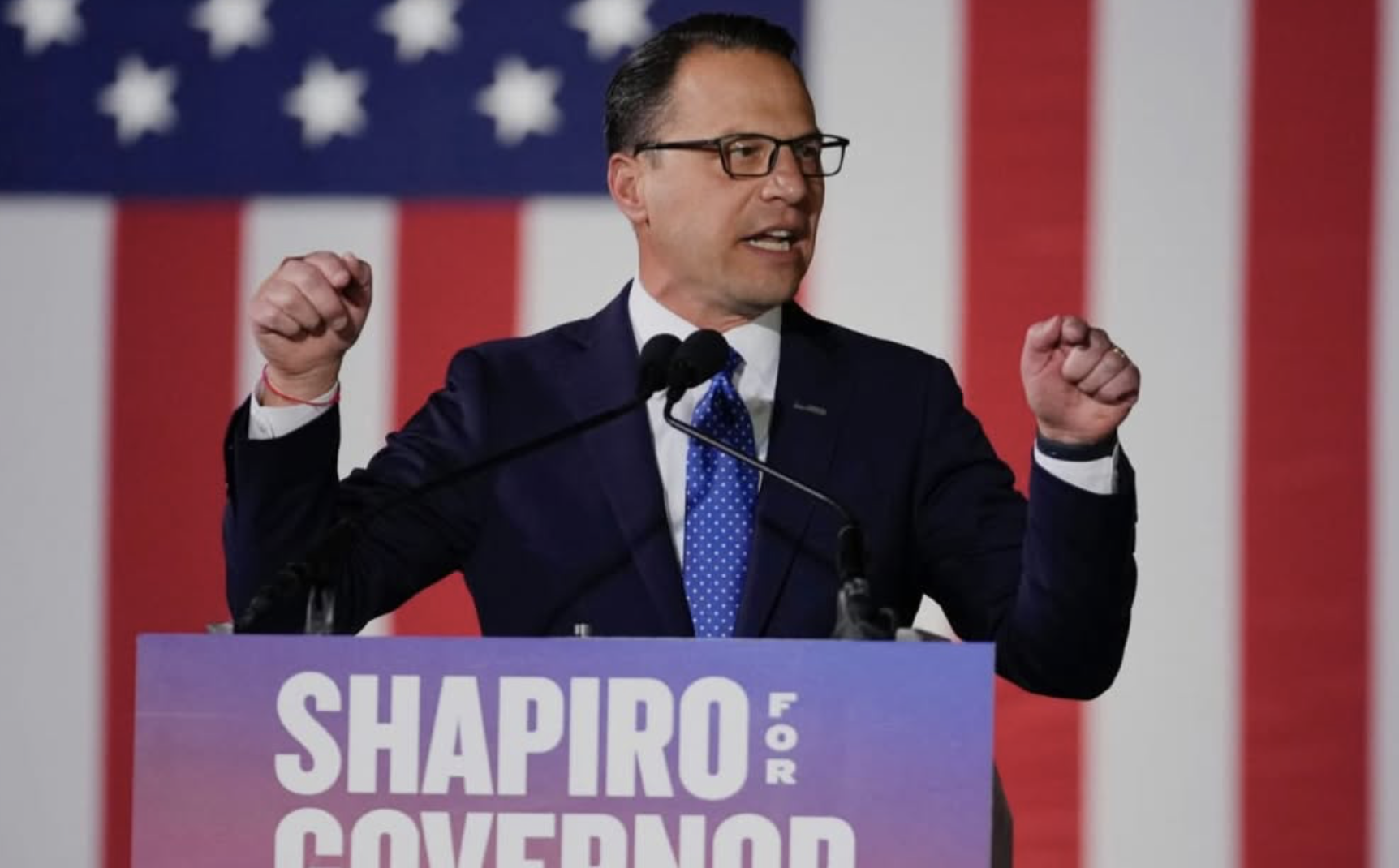
Josh Shapiro
What Governor Wealth Really Changes
Personal wealth does not determine competence. But it changes risk tolerance.
Wealthy governors can:
-
Self-fund campaigns
-
Forgo salaries without consequence
-
Absorb political backlash with minimal personal downside
Less-wealthy governors:
-
Depend more heavily on donor coalitions
-
Feel salary optics more acutely
-
Face higher post-office financial pressure
As state governments confront rising debt loads, infrastructure spending, AI-driven labor disruption, and healthcare costs in 2026, these financial asymmetries quietly shape how leaders govern.