
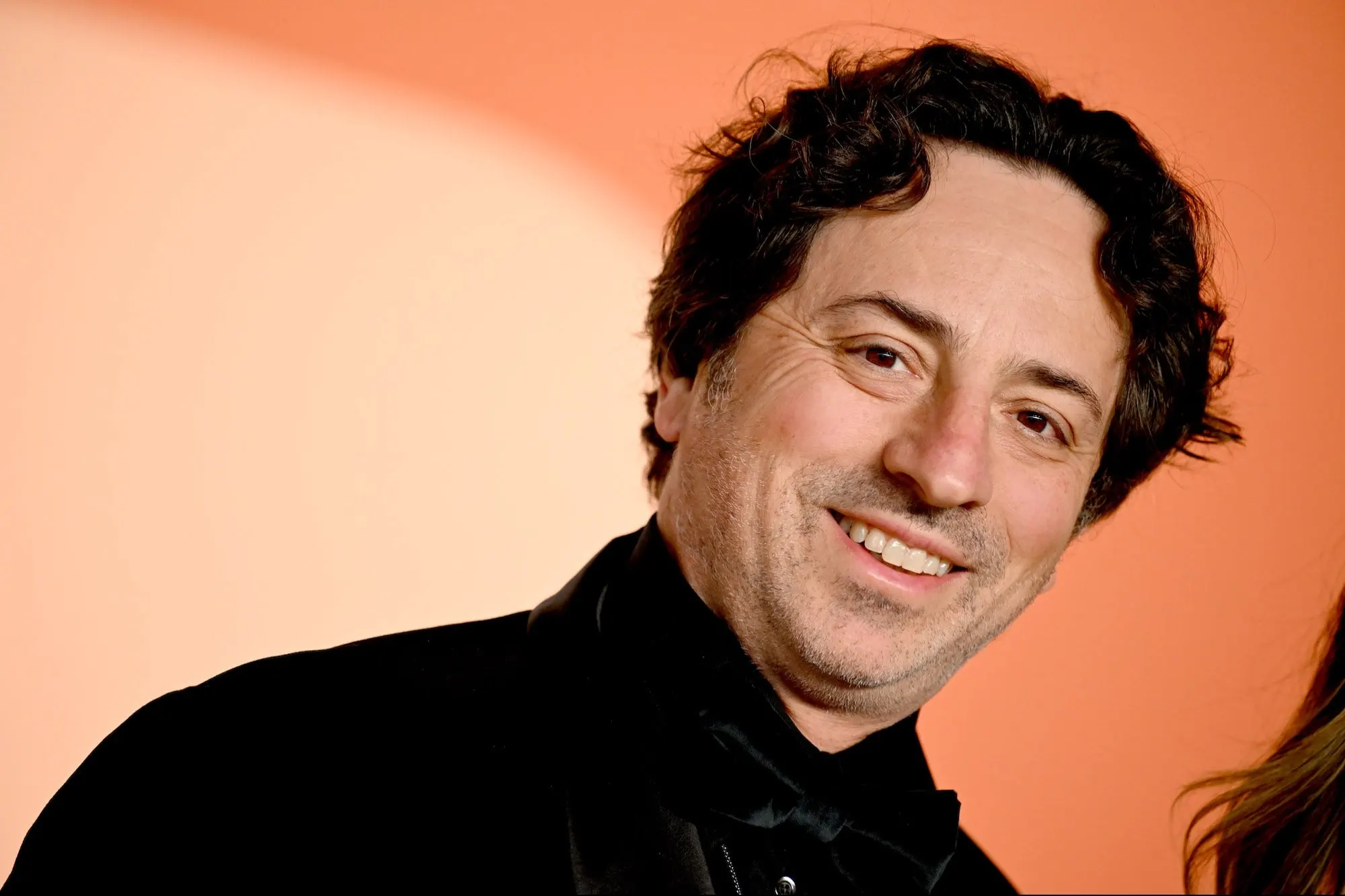
Sergey Brin Drops $50 Million on a Malibu Escape as He Quietly Reshapes His Life
From the outside, it looks like a flex.
But up close, it reads more like a reset.
Sergey Brin, one of the most private billionaires in tech, has quietly spent $50 million on a cliffside Malibu home — just steps from another mansion he already owns — at a moment when he’s been quietly reorganising his life, his assets, and his sense of stability.
It’s the kind of move that makes people pause mid-scroll. Why double down here? Why now?
When success stops feeling secure

An aerial view of the Malibu cliffside estate behind Sergey Brin’s latest $50 million move.
Brin didn’t buy the house after a big product launch or public victory. He bought it after years of upheaval — personal, professional, and existential.
He’s no longer running Google day-to-day. His marriage ended. His role in the tech world shifted from builder to steward. And as the noise around extreme wealth grows louder, Brin has responded in a way that’s almost counterintuitive: by narrowing his physical world.
Instead of spreading out, he’s pulling inward.
The new Malibu home — an 8,000-square-foot Mediterranean-style estate perched above the Pacific — sits just a short walk from a $35 million property he bought nearby in 2023. Two houses. Same street. Same ocean. Same horizon.
Not expansion. Containment.
This isn’t indulgence — it’s insulation

An aerial view of the Malibu cliffside estate Sergey Brin purchased for roughly $50 million, just steps from Point Dume’s coveted surf breaks.
At this level of wealth, money stops being about accumulation and starts being about control over environment.
The $50 million price tag isn’t about square footage. It’s about distance. From crowds. From interruption. From unpredictability. From the sense that everything you’ve built can still be tugged at from the outside.
The home offers private stairs down to one of Malibu’s most guarded stretches of coastline. Surf breaks locals protect fiercely. Thick hedges. Long sightlines. Silence, if you want it.
Inside, the details feel less like showpieces and more like recovery tools:
– wood-paneled walls
– soft light through slatted skylights
– a spa space with hot and cold plunges
– a sauna positioned toward the water
– glass doors that open wide, then disappear
This is not a house designed to impress guests.
It’s designed to lower your pulse.
When privacy becomes the luxury
Brin has never been flashy. He doesn’t post tours. He doesn’t give lifestyle interviews. And yet this purchase says more than a press release ever could.
He could live anywhere. He could buy bigger. He could buy newer. Instead, he bought closer — to himself, to routine, to a version of life that feels manageable.
Sources familiar with the deal say the larger house may become his primary residence, while the smaller one functions as a guest space. That detail matters. It suggests intention. Planning. A desire to control who enters his world — and how long they stay.
At the top, luxury isn’t marble or glass.
It’s optional interaction.
This pattern isn’t unique
Brin’s move fits a broader, quieter trend among ultra-wealthy figures who no longer want visibility — they want predictability.
We’ve seen it with founders who step back from the spotlight but build inward-facing lives: fewer public appearances, more physical anchors. Homes that feel like compounds, not showcases. Wellness woven into architecture. Geography chosen not for prestige, but for containment.
These aren’t escape fantasies.
They’re coping mechanisms.
When your name carries weight whether you speak or not, the only relief is to design a life that absorbs pressure before it reaches you.
The uncomfortable question people keep asking
To outsiders, it’s tempting to frame this as contradiction. Why buy a $50 million home while quietly rearranging the rest of your financial footprint?
But that question misses the point.
At this altitude, money isn’t about confidence. It’s about reducing exposure. It’s about making sure that when something shifts — markets, culture, expectations — your day-to-day life doesn’t have to.
The house doesn’t solve anything.
It just makes things quieter.
Where this leaves him
Brin hasn’t commented publicly on the purchase. He doesn’t need to. The move itself is the message.
He’s not running from success.
He’s settling into it.
Two houses. One stretch of coast. A life arranged for calm, not applause.
And maybe that’s the real takeaway — not the number, not the view, not the zip code.
When you’ve already won, what you spend on next isn’t about winning more.
It’s about making sure you can still breathe.
And the question that lingers long after the headline fades is simple:
If you had the means to buy quiet — would you?