Premier League Owners 2025–26: Full List of Every Club and Owner
Premier League clubs are no longer defined solely by results on the pitch. Ownership now shapes everything from stadium investment and transfer policy to long-term governance and regulatory posture.
This guide provides a clear, season-specific reference to the individuals and organisations that control each of the 20 clubs currently competing in the Premier League. It is maintained as a working ownership record rather than a ranking or opinion piece.
How Ownership Is Defined (Methodology)
For clarity and consistency, ownership in this article refers to:
The individual or entity exercising primary voting, financial, or operational control of a Premier League club for the current season.
Where clubs have multiple shareholders:
-
controlling owners are listed first
-
significant minority partners are noted
-
passive or symbolic shareholdings are excluded
Net worth figures are not assigned at club level to avoid speculation and constant revision.
Premier League Club Owners (2025–26 Season)
Controlling owners listed first; key individuals named for clarity
| Club | Controlling Owner / Key Individuals |
|---|---|
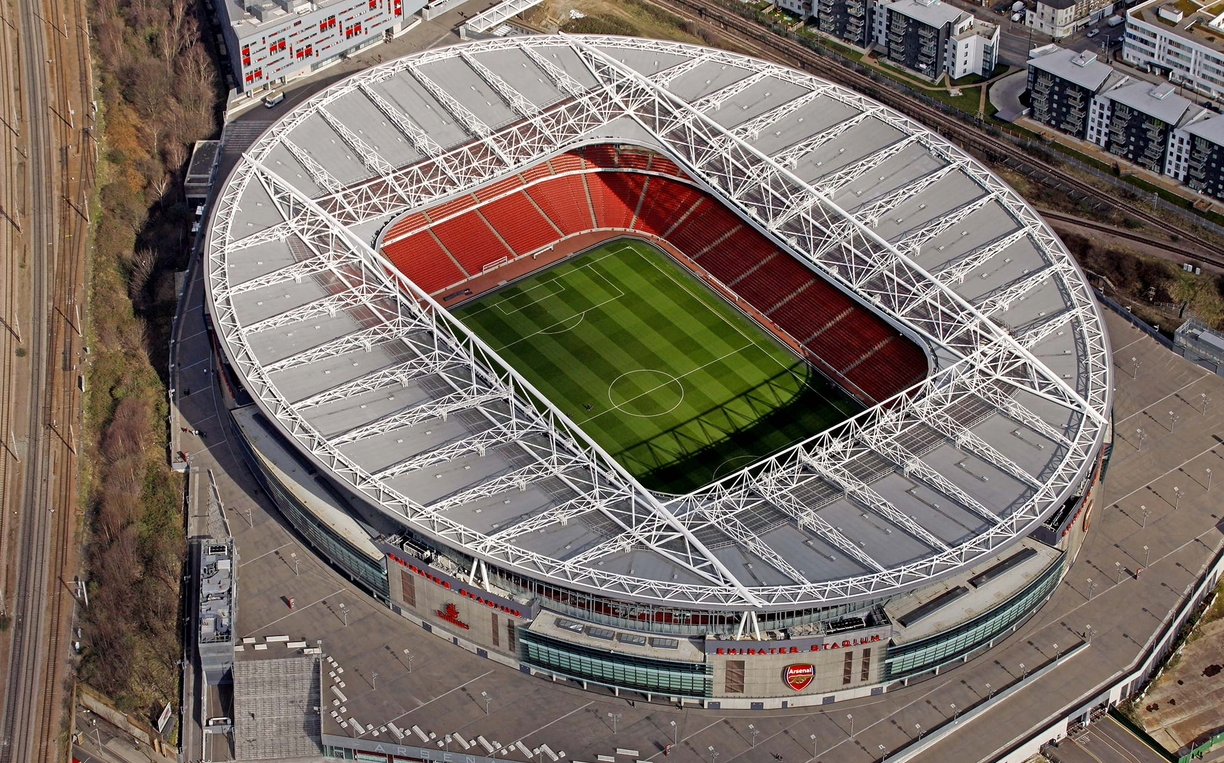
| Arsenal | Kroenke Sports & Entertainment (Stan Kroenke) |
| Aston Villa | V Sports (Wes Edens, Nassef Sawiris) |
| Bournemouth | Black Knight Football Club (Bill Foley) |
| Brentford | Matthew Benham |
| Brighton & Hove Albion | Tony Bloom |
| Burnley | ALK Capital (Alan Pace) |
| Chelsea | BlueCo (Todd Boehly, Behdad Eghbali, José E. Feliciano) |
| Crystal Palace | Steve Parish (chairman), Josh Harris, David Blitzer, Woody Johnson |
| Everton | The Friedkin Group (Dan Friedkin) |
| Fulham | Shahid Khan |
| Leeds United | 49ers Enterprises (Jed York, Denise DeBartolo York) |
| Liverpool | Fenway Sports Group (John W. Henry, Tom Werner) |
| Manchester City | City Football Group (Sheikh Mansour bin Zayed Al Nahyan) |
| Manchester United | Glazer family (Joel & Avram Glazer) and Jim Ratcliffe (INEOS minority) |
| Newcastle United | Public Investment Fund (Yasir Al-Rumayyan, chairman) |
| Nottingham Forest | Evangelos Marinakis |
| Sunderland | Kyril Louis-Dreyfus |
| Tottenham Hotspur | ENIC Group (Joe Lewis family; Daniel Levy as executive chairman) |
| West Ham United | David Sullivan, Daniel Kretinsky |
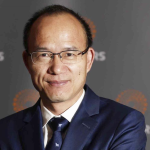
| Wolverhampton Wanderers | Fosun International (Guo Guangchang) |
Ownership Patterns Across the League
While each club operates independently, several broad trends define Premier League ownership today:
-
American investment dominance
Kroenke Sports & Entertainment, Fenway Sports Group, BlueCo, 49ers Enterprises, and The Friedkin Group reflect sustained U.S. interest in English football as a long-term asset class. -
Sovereign wealth participation
Newcastle United’s ownership by Saudi Arabia’s Public Investment Fund represents the most capital-intensive ownership model in the league. -
Founder-led clubs
Brentford, Brighton, and Fulham remain closely tied to owner-operators with long personal involvement rather than fund-driven turnover. -
Multi-club strategies
Groups such as City Football Group and BlueCo operate football portfolios rather than standalone clubs.toggle
Which Premier League Owners Are the Wealthiest?
Ownership scale does not always translate into spending power, but based on publicly reported estimates, the most capital-rich ownership groups in the league include:
-
Public Investment Fund (Newcastle United)
-
Sheikh Mansour / City Football Group (Manchester City)
-
Stan Kroenke (Arsenal)
-
Jim Ratcliffe (Manchester United, minority)
-
Shahid Khan (Fulham)