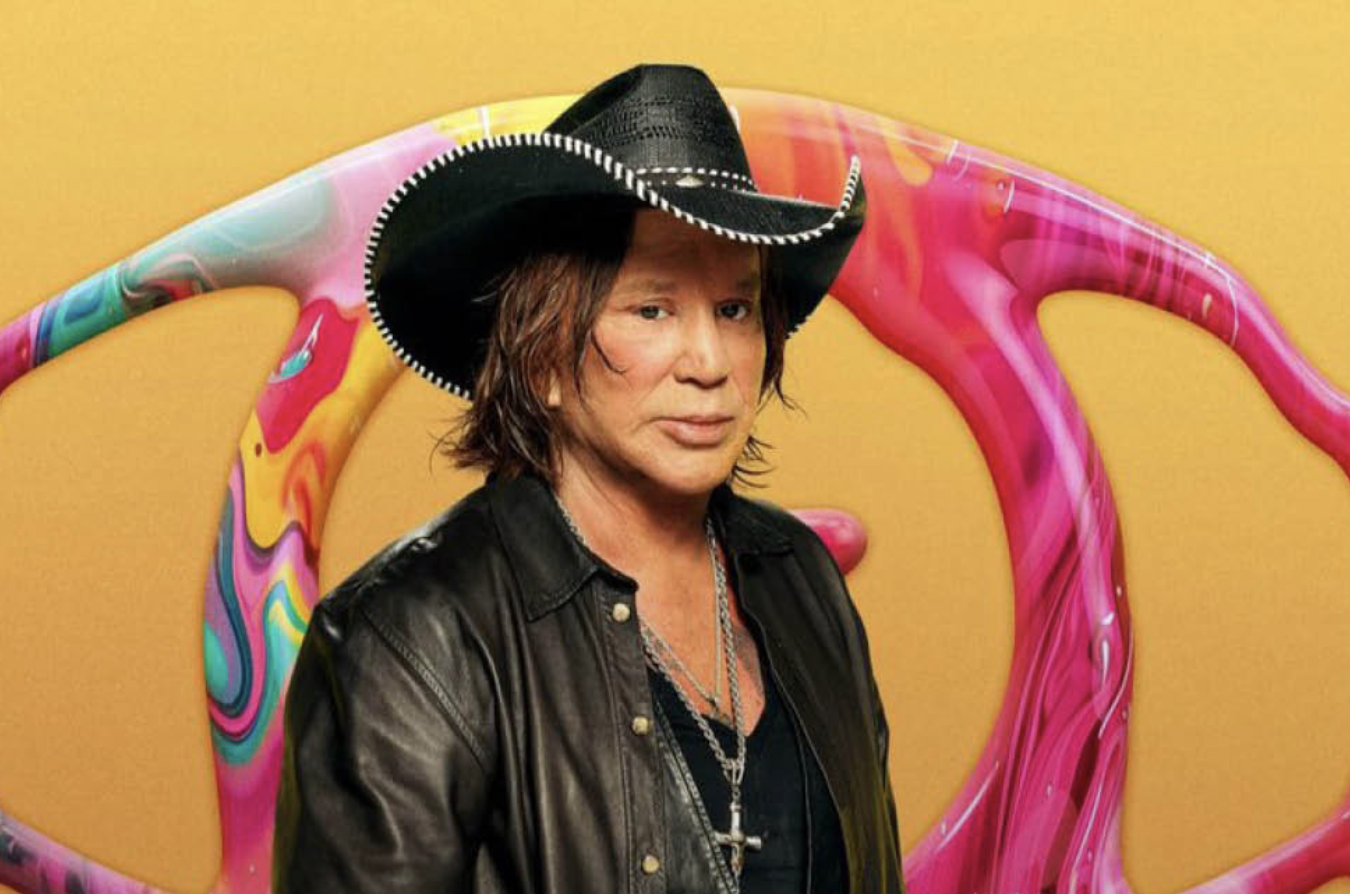
Mickey Rourke’s Current Struggles: From Hollywood Icon to Personal and Financial Turmoil
Mickey Rourke, the Oscar-nominated actor celebrated for his roles in The Wrestler and 9 ½ Weeks, is navigating a difficult chapter in his life and career. Recent news of a GoFundMe campaign, financial strain, and threats of eviction have placed the actor back in the public spotlight, highlighting the challenges that can come even after decades of fame.
At 73, Rourke’s financial situation has become a topic of discussion. A fundraiser was reportedly launched by members of his management team to help cover tens of thousands in unpaid rent and prevent eviction from his Los Angeles home. Rourke, however, publicly rejected the campaign, calling it embarrassing and insisting he would never ask fans or strangers for money. His response underscored how fame and private hardship can intersect in unexpected ways.
A Hollywood Career Facing Hard Realities
Rourke’s career has always been defined by reinvention and intensity. In the 1980s and 1990s, he was both a promising actor and a professional boxer. His early films established him as a leading Hollywood presence, and his acclaimed performance in The Wrestler earned an Academy Award nomination, reigniting interest in his career after years away from the screen.
Despite these highs, Rourke has faced personal and professional challenges. His manager, Kimberly Hines, has described him as someone who struggles with moderation, often prioritizing generosity toward others over his own financial stability. These patterns, combined with irregular work and high living costs, have contributed to his present difficulties.
The actor recently faced an eviction notice over approximately $60,000 in unpaid rent, compounded by a significant rent increase. This situation illustrates how financial pressures can impact even well-known actors, showing that fame does not always equate to security.
GoFundMe Controversy and Public Reaction
The fundraiser, launched to keep Rourke in his home, quickly attracted attention and donations. Yet Rourke’s public statements complicated the story. He described the campaign as humiliating and emphasized that he did not authorize it. He urged donors to seek refunds and stated that he would not accept charity.
His manager defended the campaign’s intentions but acknowledged that Rourke was uncomfortable with the publicity. They arranged temporary housing and covered immediate expenses while attempting to resolve the situation privately. This episode highlighted the tension between public perception, financial need, and personal pride.
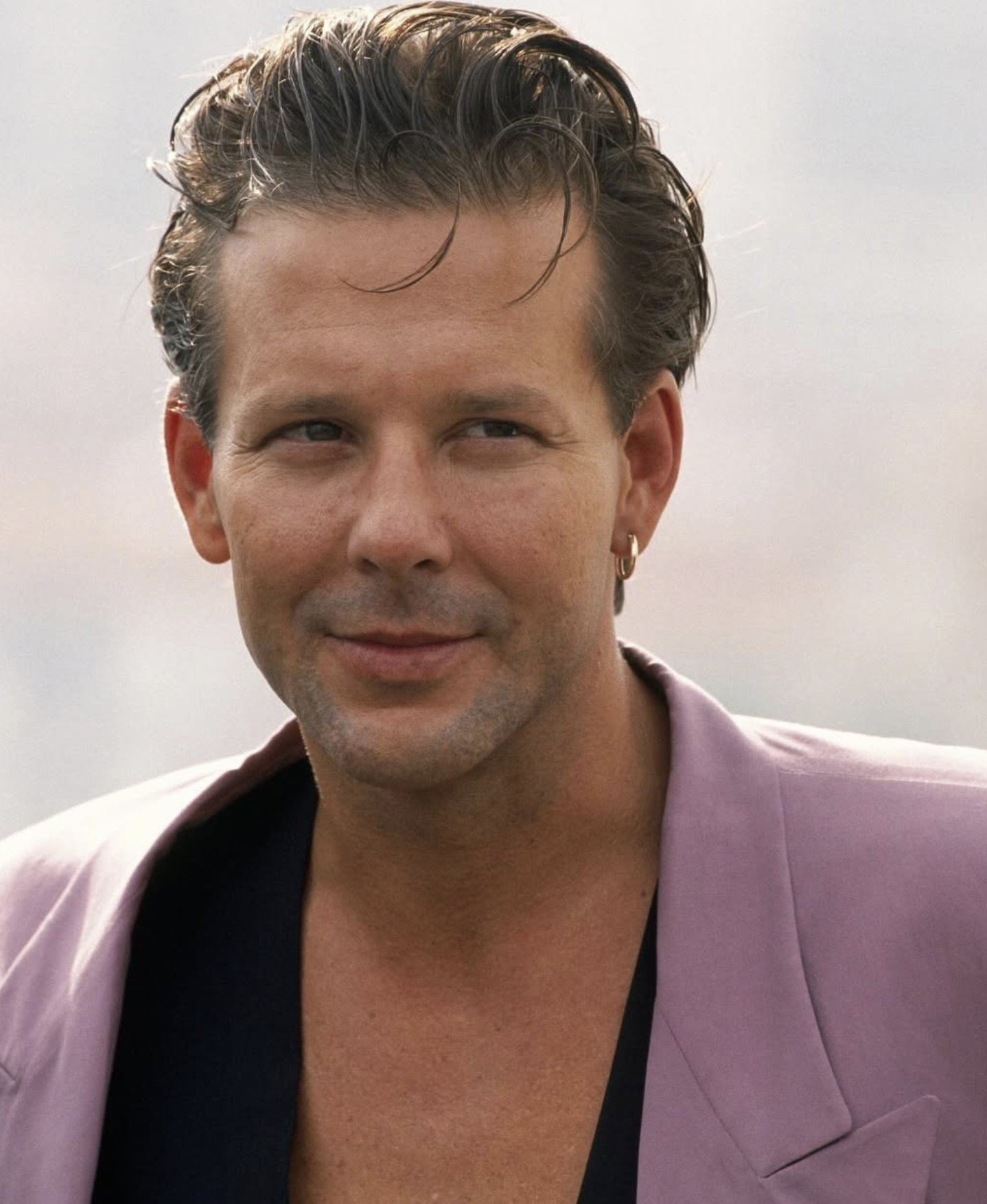
The Intersection of Fame, Pride, and Financial Reality
Rourke’s situation underscores the human side of celebrity. He has openly acknowledged past mismanagement of finances and career decisions. Despite current difficulties, he stressed that his basic needs are covered and that his refusal of charity reflects a desire to maintain independence and dignity.
The episode also demonstrated how visibility can generate new opportunities. Reports suggested that movie offers surfaced following media attention, highlighting that even challenging circumstances can reignite professional prospects in Hollywood.
Legacy and Public Perception
Rourke has long embodied the archetype of the troubled artist. His early career success, professional boxing detours, and unconventional choices shaped his public image. Later successes confirmed his talent but did not erase the challenges of maintaining career consistency. His current struggles serve as a reminder that past acclaim does not guarantee financial or professional stability.
This situation encourages reflection on how fame, public scrutiny, and personal choices intersect. Rourke’s insistence on self-reliance emphasizes the personal cost of living under a public microscope and illustrates the balance actors must strike between independence and support.
Looking Ahead
As Rourke navigates this period, his actions reveal a determination to control his narrative and maintain dignity. His financial struggles, public dispute over the GoFundMe campaign, and renewed interest from the industry underscore the unpredictable nature of Hollywood life, especially for aging stars.
Whether this chapter becomes a turning point or remains a cautionary tale, Rourke’s handling of it highlights his enduring resilience and the complexities of sustaining a career, reputation, and personal identity in the entertainment world.