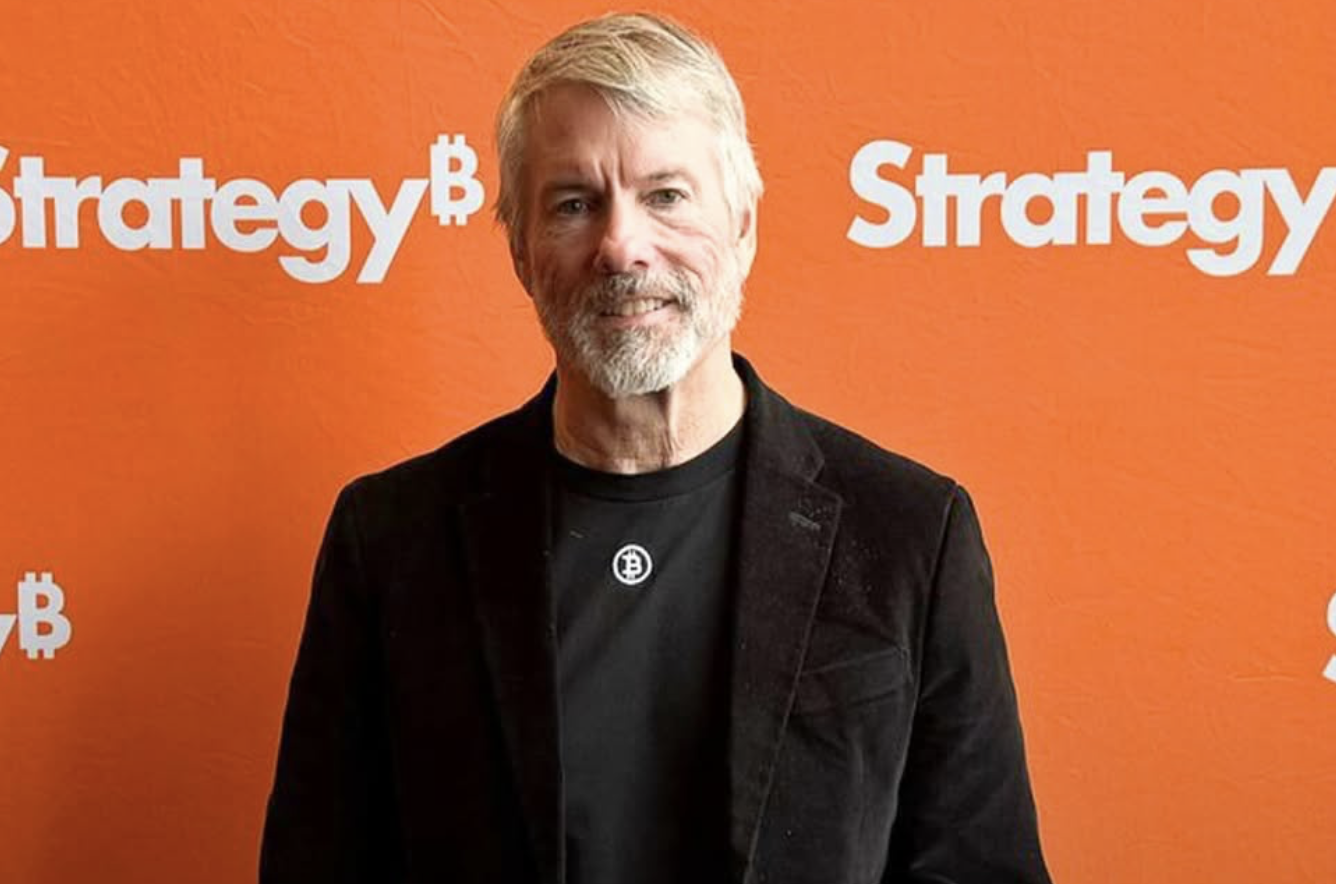
Michael Saylor and the Corporate Bitcoin Gamble
How a Software Founder Became Crypto’s Most Unyielding Strategist
Michael Saylor did not set out to become the most visible advocate of Bitcoin in corporate finance. For most of his career, he was known as a disciplined software entrepreneur—methodical, analytical, and deeply focused on enterprise customers. Yet by the mid-2020s, Saylor had recast himself and his company as something far more radical: the most aggressive corporate accumulator of Bitcoin in history.
As executive chairman and co-founder of Strategy, the business intelligence firm formerly known as MicroStrategy, Saylor has built a treasury strategy that defies conventional capital allocation logic. The company now holds hundreds of thousands of Bitcoin, dwarfing every other public company’s exposure. This was not a side bet. It became the strategy.
To supporters, Saylor represents conviction in an era of financial drift. To critics, he embodies concentration risk taken to an extreme. Either way, his influence on corporate crypto strategy is undeniable.
Before Bitcoin: A Traditional Founder’s Arc
Saylor co-founded MicroStrategy in 1989 after graduating from MIT, building the company around enterprise analytics and data intelligence. For decades, the firm sold software to large organizations seeking better insight from complex data sets. It was a conventional, if successful, technology story—cyclical revenue, enterprise sales, and steady but unspectacular growth.
By the late 2010s, however, MicroStrategy faced familiar pressures. Growth had slowed. Cash sat idle on the balance sheet earning minimal returns. Inflation concerns were rising, and traditional treasury instruments offered limited upside. Like many CEOs, Saylor confronted a problem that was not operational but financial: how to preserve and grow shareholder value in a low-yield world.
His answer would permanently alter the company’s trajectory.
The Bitcoin Pivot
In 2020, MicroStrategy began allocating its excess cash to Bitcoin. At the time, the move was viewed as unconventional and risky. Corporate treasuries typically prioritize liquidity and stability. Bitcoin offered neither. What it did offer, in Saylor’s view, was asymmetric upside and protection against currency debasement.
What began as a single allocation became a standing policy. Over subsequent years, Strategy repeatedly purchased Bitcoin using a mix of corporate cash, equity issuance, and debt financing. The company did not attempt to trade the asset or time short-term moves. It accumulated relentlessly, across bull markets and drawdowns alike.
By the mid-2020s, Strategy had become the world’s largest corporate holder of Bitcoin. Its holdings represent a meaningful percentage of total Bitcoin supply, giving the company an outsized role in institutional crypto markets.
A Concentrated Bet, Made Public
Saylor’s approach differs from many institutional investors not only in scale but in transparency. He speaks frequently and openly about the strategy, defending it against critics and framing it as a rational response to modern monetary conditions.
His core argument is consistent: holding large amounts of cash in an inflationary environment is a guaranteed loss in real terms. Traditional low-risk assets, he argues, no longer preserve purchasing power over long horizons. Bitcoin, while volatile, offers scarcity, global liquidity, and independence from sovereign monetary policy.
Critics counter that volatility alone disqualifies Bitcoin as a treasury asset, particularly for a public company. Strategy’s stock price has become closely correlated with Bitcoin’s market movements, amplifying both upside and downside for shareholders. This linkage has made the company polarizing among institutional investors.
Saylor does not deny the risk. He reframes it. In his view, volatility is the price paid for long-term optionality.

Wealth and Alignment
Saylor’s personal wealth is tightly aligned with Strategy’s performance and Bitcoin’s valuation. He holds a significant equity stake in the company and has disclosed personal Bitcoin ownership accumulated independently of the firm.
This alignment is central to his credibility. Saylor is not advocating a strategy he has insulated himself from. When Bitcoin falls, his net worth declines alongside shareholders’. When it rises, the gains accrue proportionally. That symmetry has helped him maintain trust among supporters, even during prolonged market downturns.
He does not present himself as a trader or speculator. Instead, he positions himself as a long-term allocator, willing to absorb short-term volatility in exchange for what he believes is structural advantage.
Recent Moves: Staying the Course
In recent periods, Strategy has continued to add to its Bitcoin holdings, even as prices reached historically elevated levels. These purchases were not reactive. They followed a pattern established years earlier: incremental accumulation funded through capital market activity rather than operating cash flow.
The company has used equity offerings and debt instruments to raise capital, converting it into Bitcoin rather than reinvesting exclusively in software expansion or shareholder returns. This approach has drawn scrutiny, particularly from those who view dilution as a hidden cost of the strategy.
Saylor’s response has been consistent. He argues that dilution used to acquire a scarce, appreciating asset can be value-accretive over time if the asset outperforms the cost of capital. Whether that assumption holds remains the central question facing investors.
Criticism and Corporate Governance Tension
The most serious criticism of Strategy’s approach centers on concentration risk and governance. A single asset now dominates the company’s balance sheet. Traditional diversification principles are largely abandoned. In extreme market scenarios, liquidity constraints could emerge.
Governance experts have also raised questions about the balance of influence between management conviction and shareholder protection. When a company’s identity becomes inseparable from one strategic thesis, dissenting views can be marginalized.
Yet Strategy’s board has consistently supported the approach, signaling institutional acceptance of the risk profile. This backing suggests that, at least internally, the strategy is viewed as deliberate rather than impulsive.
Impact Beyond One Company
Saylor’s influence extends beyond Strategy. His actions normalized the idea that corporations could treat Bitcoin not as a speculative investment but as a treasury reserve asset. Other firms have followed, though none at comparable scale.
More broadly, his approach has contributed to a shift in institutional discourse. Bitcoin is now discussed in boardrooms alongside traditional asset classes, even if adoption remains limited. Exchange-traded products, custody solutions, and regulatory clarity have further lowered barriers to institutional exposure.
Saylor did not create these trends, but he accelerated them by acting publicly and decisively.
Vision or Overreach?
The unresolved question surrounding Michael Saylor is not whether his strategy is bold—it is—but whether it is sustainable. If Bitcoin continues to mature as a global store of value, his approach may be viewed as prescient. If prolonged stagnation or regulatory disruption undermines the asset’s appeal, the risks of concentration will become harder to justify.
Saylor does not frame the future in probabilistic terms. He speaks in absolutes, grounded in long-term conviction rather than tactical flexibility. That clarity is both his strength and his vulnerability.
A Legacy Still Being Written
Michael Saylor’s career now spans two distinct eras: the disciplined builder of enterprise software, and the uncompromising architect of corporate Bitcoin strategy. Few executives have so thoroughly redefined their professional identity mid-career.
Whether history judges him as visionary or reckless will depend less on quarterly earnings than on the long-term role Bitcoin plays in global finance. What is already clear is that Saylor forced a conversation corporate leaders can no longer ignore: what, exactly, is a treasury for in a world where cash no longer feels safe?