
Larry Ellison Spent Tens of Millions on a Superyacht—Then Discovered the Name Meant Something Unforgivable
For a man who controls more wealth than most countries’ GDPs, the breaking point wasn’t a market crash or a hostile takeover. It was a name.
When Larry Ellison finally took delivery of his 191-foot superyacht—an object that reportedly cost tens of millions of dollars to design, build, staff, and maintain—he thought he was choosing something poetic. Elegant. Mythic. A name inspired by ancient symbolism and personal taste.
The yacht was originally named Izanami, after a figure from Japanese mythology associated with creation and death. The name was chosen for its symbolism, but it was later changed after Ellison was made aware that, when read backwards, it formed an unintended and deeply offensive phrase.
What followed wasn’t a press conference or a lawsuit. It was quieter than that. A rapid retreat. A correction. And a reminder that even at the very top, embarrassment still lands hard.
Those close to Ellison say the moment hit fast: the realisation that a detail meant to signal taste and control had become an instant punchline. The kind that doesn’t fade. The kind that lives forever online. For a man whose life has been spent engineering systems to avoid chaos, this was chaos—small, absurd, but deeply public.
So he did what billionaires do when something cracks. He fixed it. Immediately.
This Isn’t Indulgence—It’s Damage Control
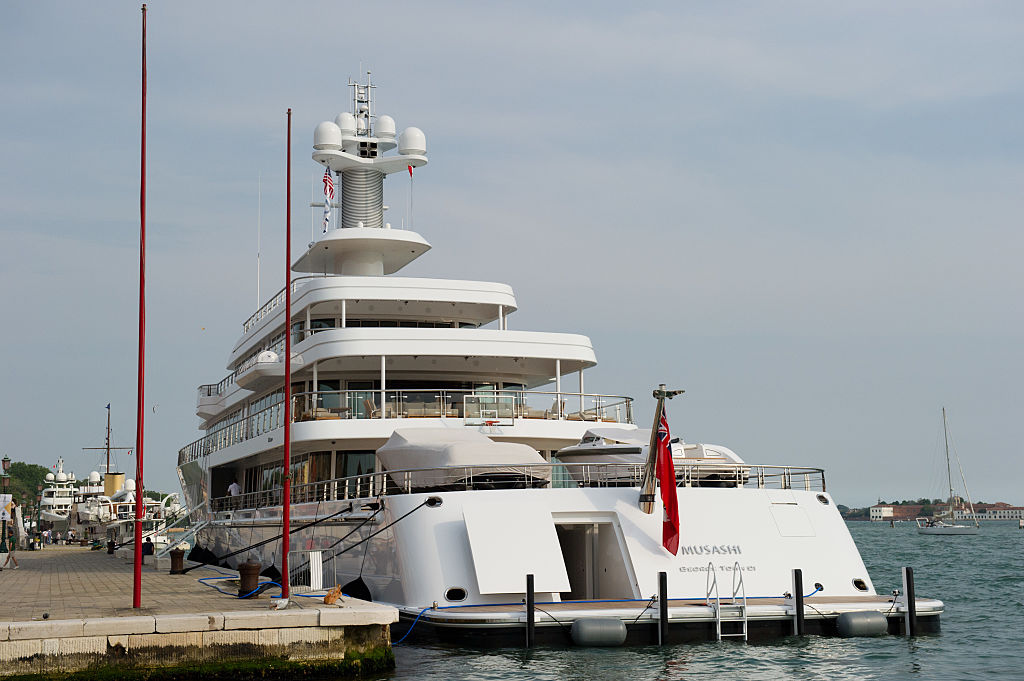
Billionaire Larry Ellison forced to rename yacht after 'Izanami' name error
On paper, renaming a yacht is nothing. In reality, it’s a logistical and emotional reset that costs more than most homes.
A vessel of that size isn’t just a boat. It’s a floating ecosystem: crew uniforms embroidered, paperwork registered across jurisdictions, digital systems synced, branding etched into metal and glass. Changing its identity isn’t cosmetic—it’s surgical.
And yet, that’s exactly what happened.
Because at this level, money isn’t about pleasure. It’s about insulation. About removing friction before it becomes permanent. Spending millions to erase a mistake isn’t extravagance—it’s maintenance. The cost of keeping your life smooth enough to function.
Ellison didn’t rename the yacht to save money. He did it to save himself from becoming a meme he couldn’t outrun.
The Quiet Awkwardness of Too Much Attention
Picture it: teak decks warmed by sun, polished steel railings, the low mechanical hum that never fully shuts off. Everything immaculate. Everything controlled.
And yet, somewhere between the bridge and the dining salon, something felt off.
That’s the part people miss when they talk about billionaire lifestyles. The comfort is real—but so is the exposure. There is no private mistake when your toys are this large. No harmless oversight when the internet is watching.
Ellison didn’t lash out. He didn’t explain. He simply adjusted course.
That, in its own way, is resilience.
This Keeps Happening—And Not Just to Him

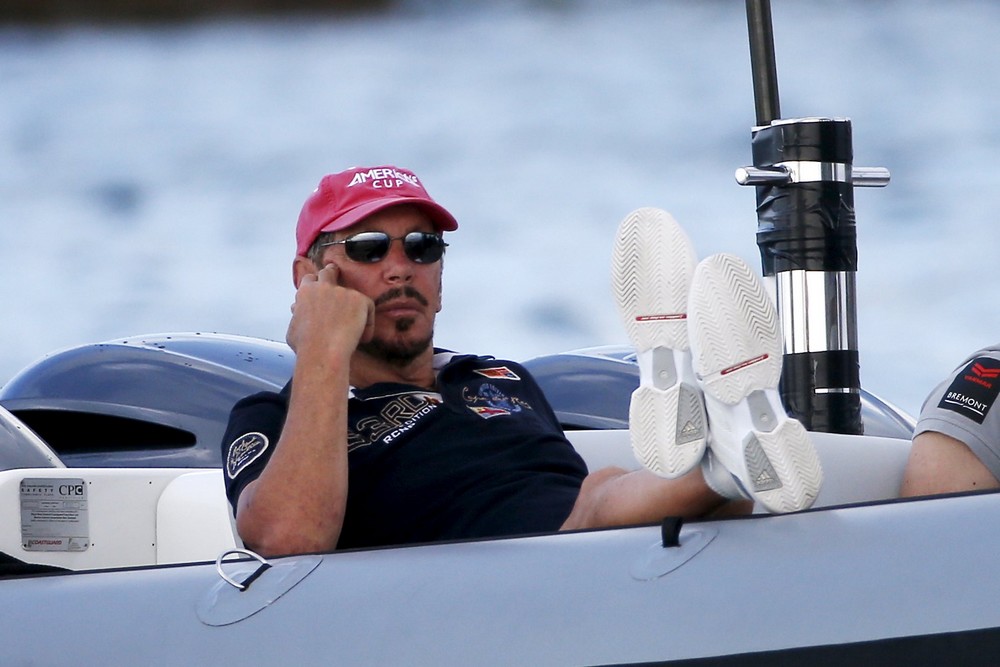
Oracle cofounder and billionaire Larry Ellison pictured aboard one of his luxury superyachts, a symbol of the ultra-high-stakes lifestyle where even small mistakes can carry outsized consequences.
If this story feels familiar, it’s because it fits a pattern.
We’ve seen public figures retreat into wellness compounds, scrub social feeds, quietly sell properties, or step away from projects after moments of ridicule or overload. Not because they’re weak—but because attention has weight.
At the top, opting out is expensive.
For some, it looks like a multi-million-dollar retreat. For others, a rebrand. For Ellison, it was renaming a ship before it defined him in a way he didn’t choose.
The common thread isn’t excess. It’s preservation.
The Price of Control
A 191-foot yacht isn’t about sailing. It’s about space—space from the world, from noise, from people who get too close.
When that space becomes compromised, the response is swift. Rename it. Reset it. Reclaim it.
Ellison’s decision wasn’t dramatic, but it was telling. Even with unimaginable resources, there are moments when the only option is to quietly undo and move on.
No speeches. No explanations. Just action.
Why This Story Lingers
Because it asks an uncomfortable question without answering it:
If this is what it costs to fix a small mistake at the very top—what does it cost the rest of us to recover from ours?
Ellison sailed on, name changed, issue contained. The yacht still gleams. The crew still reports for duty. Life continues.
But the moment sticks. A reminder that control is never absolute—and that sometimes, survival looks less like triumph and more like quietly turning around before anyone notices.