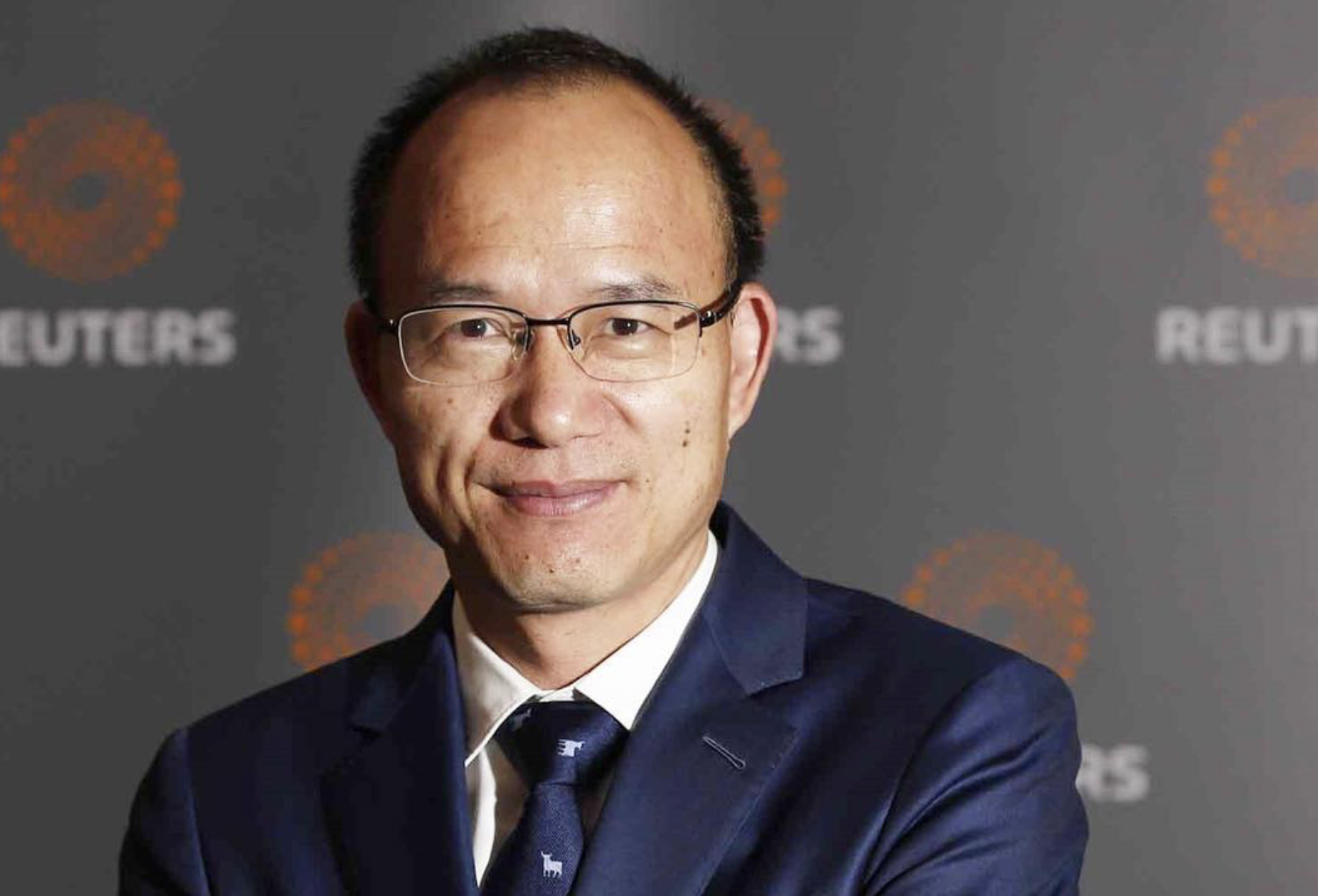
Guo Guangchang: The Architect of Fosun’s Global Expansion and Premier League Football Ownership
Current Titles
Chairman & Co-Founder, Fosun International Limited
Chairman, Fosun Sports Group (Owner of Wolverhampton Wanderers FC)
Global Investor and Business Strategist
Guo Guangchang is best known outside China as the founder of one of Asia’s most ambitious private conglomerates and, through that platform, as the owner of a Premier League football club, Wolverhampton Wanderers. His career spans pharmaceuticals, finance, tourism, property, and sport—demonstrating how global capital strategy now intersects with elite football ownership. Few business leaders embody the convergence of industry, brand, and international sport as clearly as Guo.
From Zhejiang Province to Global Entrepreneur
Born in February 1967 in Dongyang, Zhejiang Province, Guo Guangchang grew up far from the corridors of global finance. His early life was shaped by modest means, but also by the intellectual ambition that would later define his career. He studied philosophy before completing an MBA at Fudan University, one of China’s most prestigious academic institutions.
At a time when many of his contemporaries pursued secure roles within state enterprises or public administration, Guo made a less conventional choice: entrepreneurship. In the early 1990s, China’s private sector was still emerging, and private capital carried both opportunity and risk. Guo embraced that uncertainty, believing that China’s gradual economic opening would reward disciplined, research-driven enterprise.
In 1992, he co-founded Guangxin Technology Development Company with fellow Fudan graduates. The venture focused on market research and analytical services—an early signal of Guo’s preference for data, structure, and long-term positioning. That foundation would soon evolve into something far larger.
Building Fosun: A Conglomerate with Global Reach
Guangxin became Fosun International, and under Guo’s leadership it expanded rapidly beyond its origins. Fosun evolved into a diversified conglomerate with interests across insurance, pharmaceuticals, healthcare, mining, real estate, finance, and tourism. The group’s expansion mirrored China’s own transformation—from a domestically focused economy to an outward-looking global investor.
Fosun distinguished itself by combining domestic scale with international ambition. It listed subsidiaries on major stock exchanges and acquired stakes in established global brands, including luxury, leisure, and financial services businesses. Investments in companies such as Club Med and European insurance platforms positioned Fosun as a bridge between Chinese capital and Western consumer markets.
Like many Chinese conglomerates, Fosun has faced periods of regulatory pressure and market volatility. In response, Guo shifted emphasis from rapid expansion to financial discipline and asset optimisation. The result has been a more streamlined, resilient group that continues to maintain a meaningful global footprint.
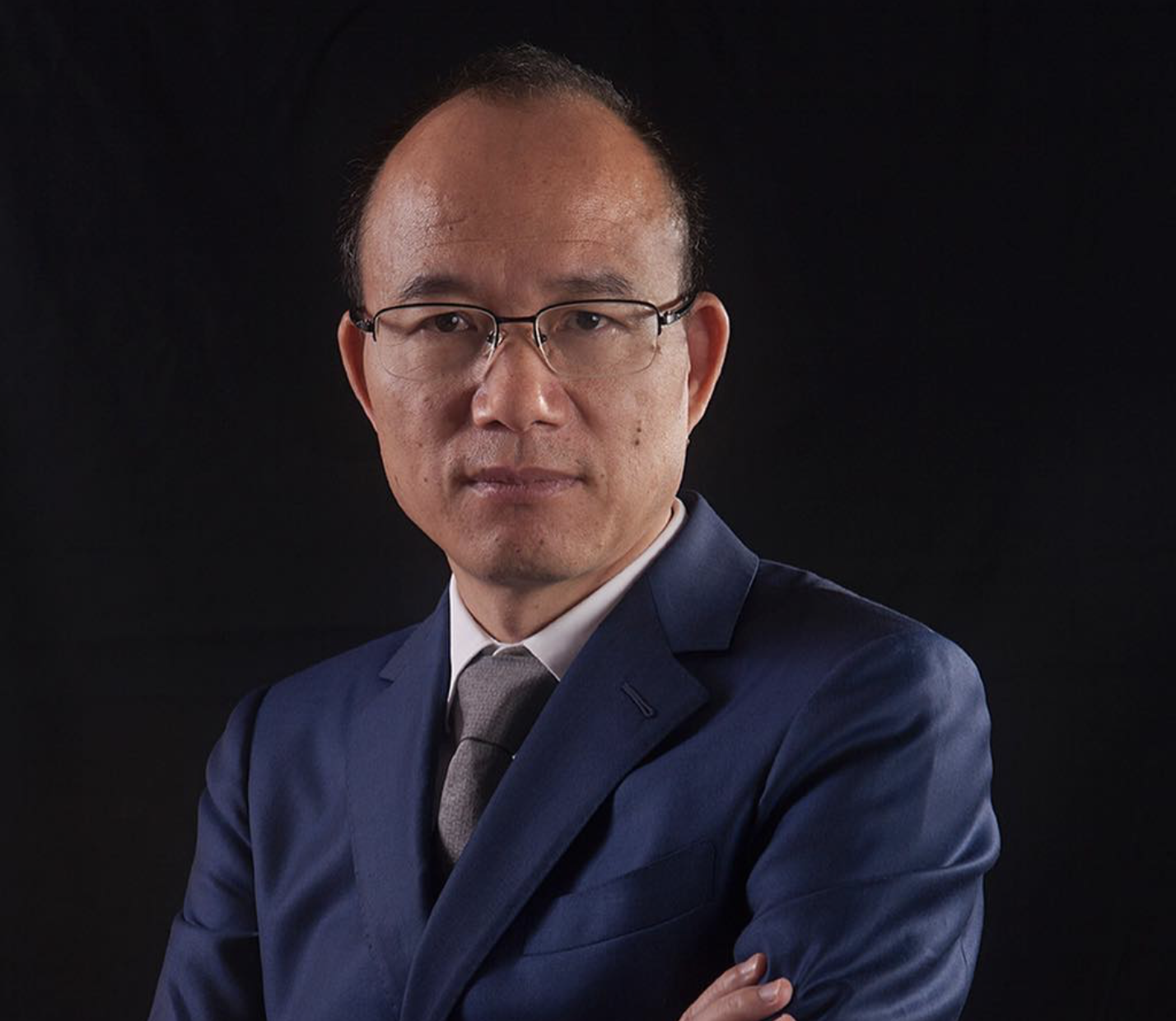
Guo Guangchang
Premier League Ambitions: Wolverhampton Wanderers
Guo Guangchang’s global profile expanded significantly in 2016 when Fosun International acquired Wolverhampton Wanderers Football Club. The reported £45 million acquisition marked Fosun’s formal entry into elite European football and signalled Guo’s belief in the Premier League as a long-term strategic asset.
For Fosun, Wolves represented more than a football club. The Premier League is one of the most commercially powerful sports ecosystems in the world, offering global media reach, sponsorship visibility, and brand legitimacy across continents. Under Fosun’s ownership, Wolves returned to the Premier League in 2018 and quickly established themselves as competitive participants, including a seventh-place league finish and qualification for European competition.
Guo’s involvement is exercised through Fosun’s ownership structure rather than day-to-day management. Operational leadership is delegated locally, while Fosun provides financial backing, strategic oversight, and long-term stability. This model reflects Guo’s broader approach to global assets: empower local execution while retaining central capital control.
Strategic Vision: Diversification and Global Integration
Diversification is the defining principle of Guo Guangchang’s business philosophy. Fosun is structured not as a single-industry champion, but as a flexible investment platform capable of reallocating capital across sectors and regions as conditions change.
Football ownership aligns with this vision. While sport contributes a small proportion of Fosun’s revenue, a Premier League club delivers disproportionate strategic value. It enhances global brand recognition, strengthens international relationships, and embeds Fosun within one of the world’s most influential entertainment industries.
In an era where corporate influence is measured not only in balance sheets but in visibility and cultural relevance, Wolves represents a durable strategic asset rather than a speculative gamble.
Wealth and Personal Standing
Guo Guangchang’s personal wealth is closely tied to Fosun International’s market valuation and asset performance. Estimates place his net worth in the low single-digit billions, fluctuating with equity prices, asset disposals, and broader market conditions.
Unlike founders whose wealth is heavily liquid, Guo’s capital is largely embedded within corporate holdings. This structure reinforces his long-term alignment with Fosun’s performance and explains his emphasis on balance-sheet stability in recent years.
Beyond business, Guo holds influential roles within Chinese economic and advisory institutions, reflecting his status as a leading private-sector figure in a system where business and public engagement often intersect.
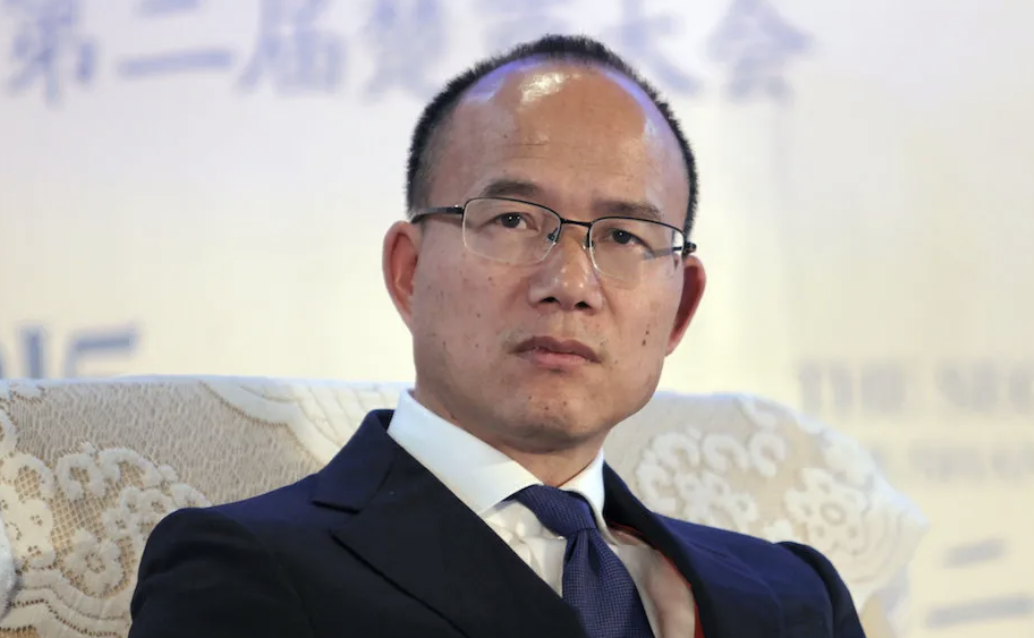
Guo Guangchang
Beyond Sport: Broader Impact and Challenges
Guo’s career has unfolded against an increasingly complex global backdrop. Regulatory tightening in China, shifting capital markets, and geopolitical uncertainty have tested Fosun’s expansion-era model. In response, Guo prioritised consolidation, debt management, and strategic focus over aggressive growth.
Despite these headwinds, Fosun remains active across healthcare, tourism, insurance, and consumer brands. This breadth reduces reliance on any single market and reinforces the group’s ability to adapt to structural change.
Football ownership, in this context, is not a distraction but part of a broader repositioning toward durable global assets with long-term relevance.
A Legacy in Football and Global Business
Guo Guangchang occupies a distinctive position in modern global capitalism. As founder of Fosun International and owner of a Premier League club, he exemplifies how finance, industry, and sport increasingly intersect.
At Wolverhampton Wanderers, his legacy is visible in stability, competitiveness, and international integration. More broadly, his career reflects the rise of Chinese private capital as a global force—capable of shaping not only markets, but cultural institutions such as elite football.
Whether through insurance, healthcare, tourism, or the Premier League, Guo Guangchang’s influence lies in his ability to connect capital with long-term strategic platforms. In doing so, he has helped redefine what modern global ownership looks like.