David Sullivan: The Entrepreneur Who Turned Provocation Into Premier League Power
As a Premier League football club owner, David Sullivan occupies a position few entrepreneurs ever reach: custodian of one of English football’s most historic institutions. As co-owner of West Ham United, Sullivan sits at the intersection of sport, capital, media influence, and public scrutiny. His route there, however, was anything but conventional. Long before boardrooms and broadcast rights, Sullivan built his fortune in Britain’s most controversial commercial corners—then methodically converted that wealth into mainstream power.
Current Titles
Chairman and Co-Owner, West Ham United Football Club
Principal Investor, West Ham United ownership group
Property Investor and Private Business Owner
An Unorthodox Beginning in British Enterprise
David Sullivan’s business career began far from football and far from respectability. Leaving school early, he entered the publishing world as a teenager and rapidly identified a gap in the UK market for adult magazines. What followed was the creation of a publishing empire that dominated its niche for decades.
Sullivan’s approach was unapologetically commercial. He understood distribution, pricing, and scale better than many of his competitors, and he built businesses that generated strong, recurring cash flow. While the sector attracted criticism, it also delivered something far more important in business terms: liquidity. That liquidity would later underpin every major move he made.
Crucially, Sullivan exited much of this industry before reputational risk outweighed profitability, selling assets and redeploying capital elsewhere. This willingness to pivot—rather than defend legacy businesses—became a defining trait.
From Controversy to Consolidation: Building Real Wealth
Sullivan’s long-term wealth was not created through publishing alone. As his initial businesses matured, he expanded aggressively into property and mainstream media. Property, in particular, provided balance—offering asset-backed stability to offset the volatility of publishing.
He also moved into sports media, co-owning football newspapers that benefited from the Premier League’s rapid commercial growth. These ventures positioned him close to the business of football long before he entered ownership, giving him insight into fan psychology, media pressure, and the economics of the modern game.
By the time Sullivan moved toward football ownership, he was no longer a speculative entrepreneur. He was a capital allocator with diversified income streams and a strong understanding of risk.
Acquiring West Ham United
In 2010, Sullivan and the late David Gold acquired a controlling stake in West Ham United, then a club facing financial instability and existential uncertainty. The acquisition was not driven by glamour. It was driven by timing.
West Ham possessed three valuable characteristics: a large fanbase, a global brand rooted in London, and structural underperformance relative to its potential. Sullivan understood that football clubs, when stabilized, could function as durable long-term assets rather than loss-making indulgences.
Under his co-ownership, West Ham focused on survival first—both financially and competitively—before attempting growth. The move to the London Stadium, while controversial, reflected a broader ambition to scale revenues and modernize operations in line with Premier League realities.
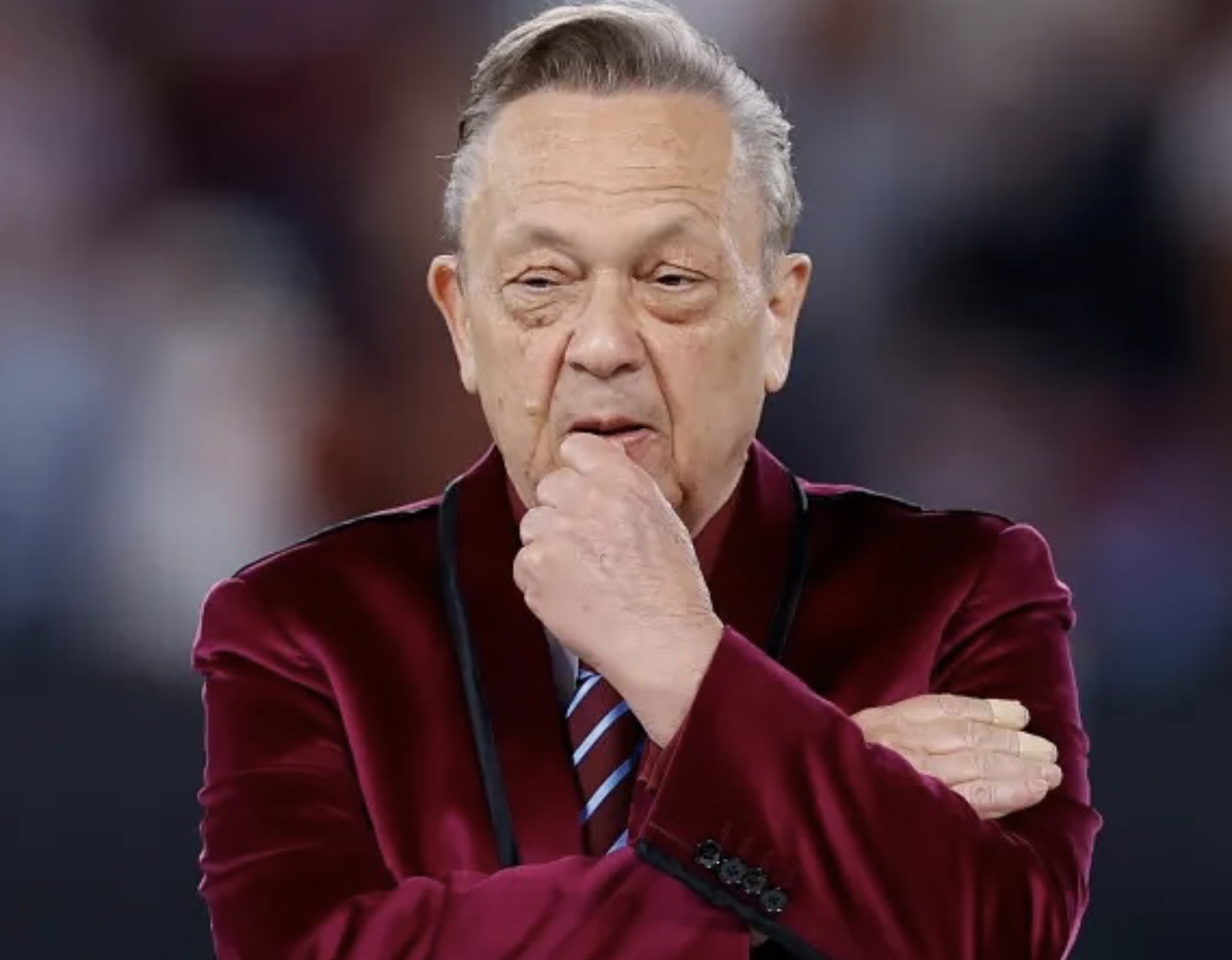
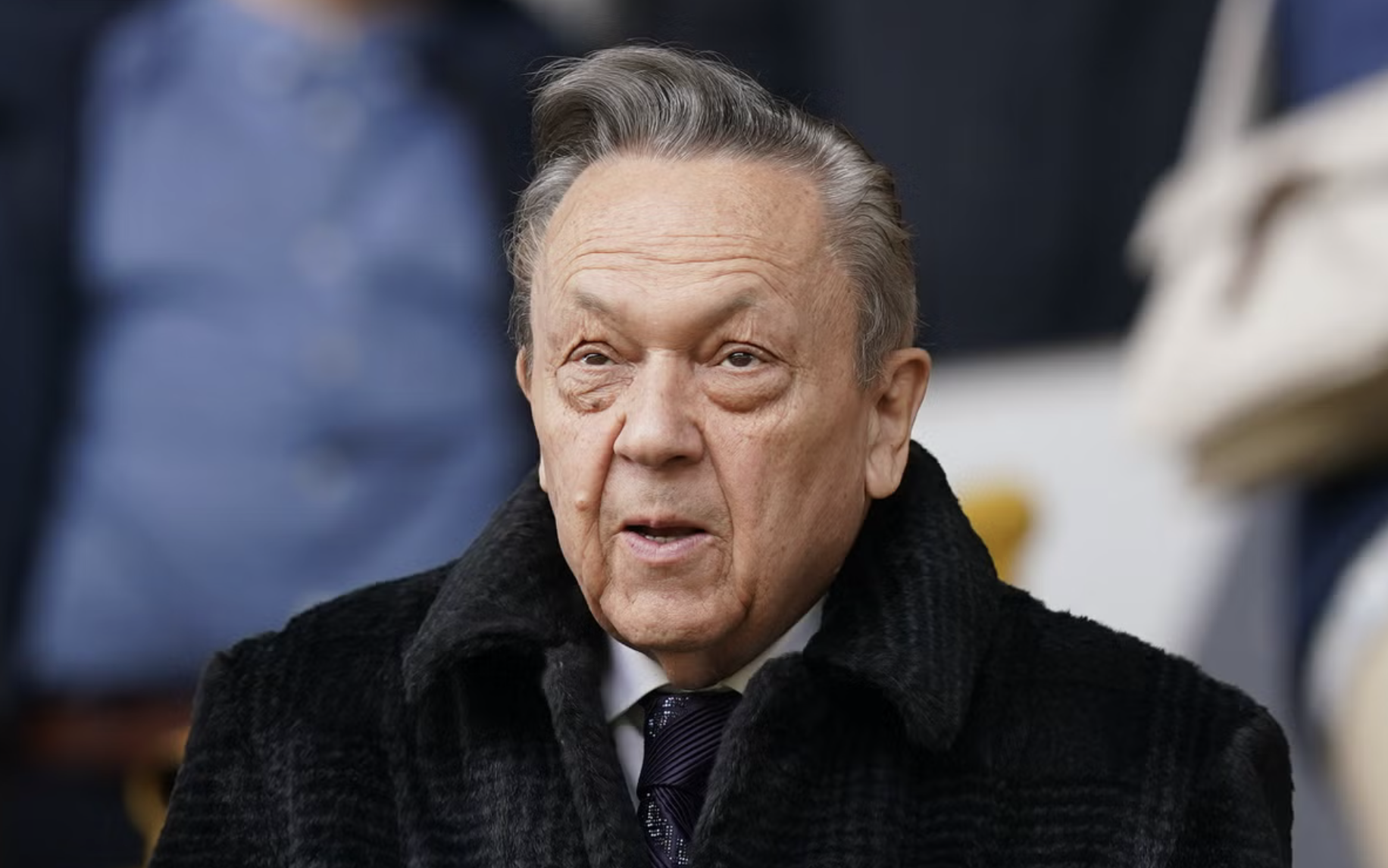
David Sullivan
Ownership Philosophy: Commercial First, Emotional Second
Sullivan’s ownership style has often divided opinion. Supporters have questioned decisions, communication, and ambition. Yet from a business perspective, his strategy has been consistent.
He prioritizes solvency, infrastructure, and wage control. Transfer spending is measured against sustainability, not sentiment. Unlike owners who rely on external wealth injections, Sullivan’s model aims to make West Ham function as a self-supporting enterprise within the Premier League’s regulatory framework.
This approach reflects his background. Sullivan did not inherit wealth. He built it through operational discipline. That mindset carries over into football ownership, where he treats the club as a long-term business rather than a personal brand vehicle.
Media Presence and Personal Life
Sullivan’s personal life has occasionally intersected with public attention, most notably through his past relationship and engagement to television personality Ampika Pickston. Since that period, he has maintained a far lower personal profile, separating private affairs from professional responsibilities.
This retreat from visibility mirrors a broader shift in his public posture. Earlier in his career, Sullivan thrived on confrontation and notoriety. As a football executive, he has become more guarded, allowing the institution to take precedence over individual visibility.
Risk, Regulation, and the Modern Premier League
Operating a Premier League club today presents structural risks that extend beyond match results. Broadcasting revenue concentration, evolving financial regulations, and increasing competition from state-backed ownership groups have reshaped the landscape.
Sullivan’s experience in regulated and scrutinized industries leaves him well-prepared for this environment. He is accustomed to operating under pressure, adapting business models, and navigating reputational risk.
West Ham’s position under his ownership has generally been one of cautious progress rather than reckless expansion—a strategy that, while sometimes unpopular, has ensured continuity in a league where financial misjudgment can be fatal.
A Legacy Defined by Durability
David Sullivan’s story is not one of reinvention, but of translation—converting early commercial success into institutional power. His journey from fringe publishing to Premier League ownership illustrates how capital, when managed pragmatically, can transcend its origins.
He is not the most charismatic owner. He is not the most beloved. But he is one of the most instructive. In an era of football defined by excess and external wealth, Sullivan represents a rarer archetype: the self-made operator who treats football as a business that must endure.