The Governance Crisis: Sovereign Oversight and the Devaluation of Private Capital
The reported issuance of arrest warrants for Michael Kim and senior executives signals a systemic shift in South Korean regulatory oversight.
This legal escalation forces a reassessment of how private equity firms manage disclosure during distressed asset restructuring. Investors now face a stark strategic opportunity cost as the perceived risk of governance failure threatens to devalue the broader portfolio of MBK Partners.

Michael Kim, founder of MBK Partners, whose firm is facing heightened regulatory scrutiny in South Korea related to the Homeplus restructuring.
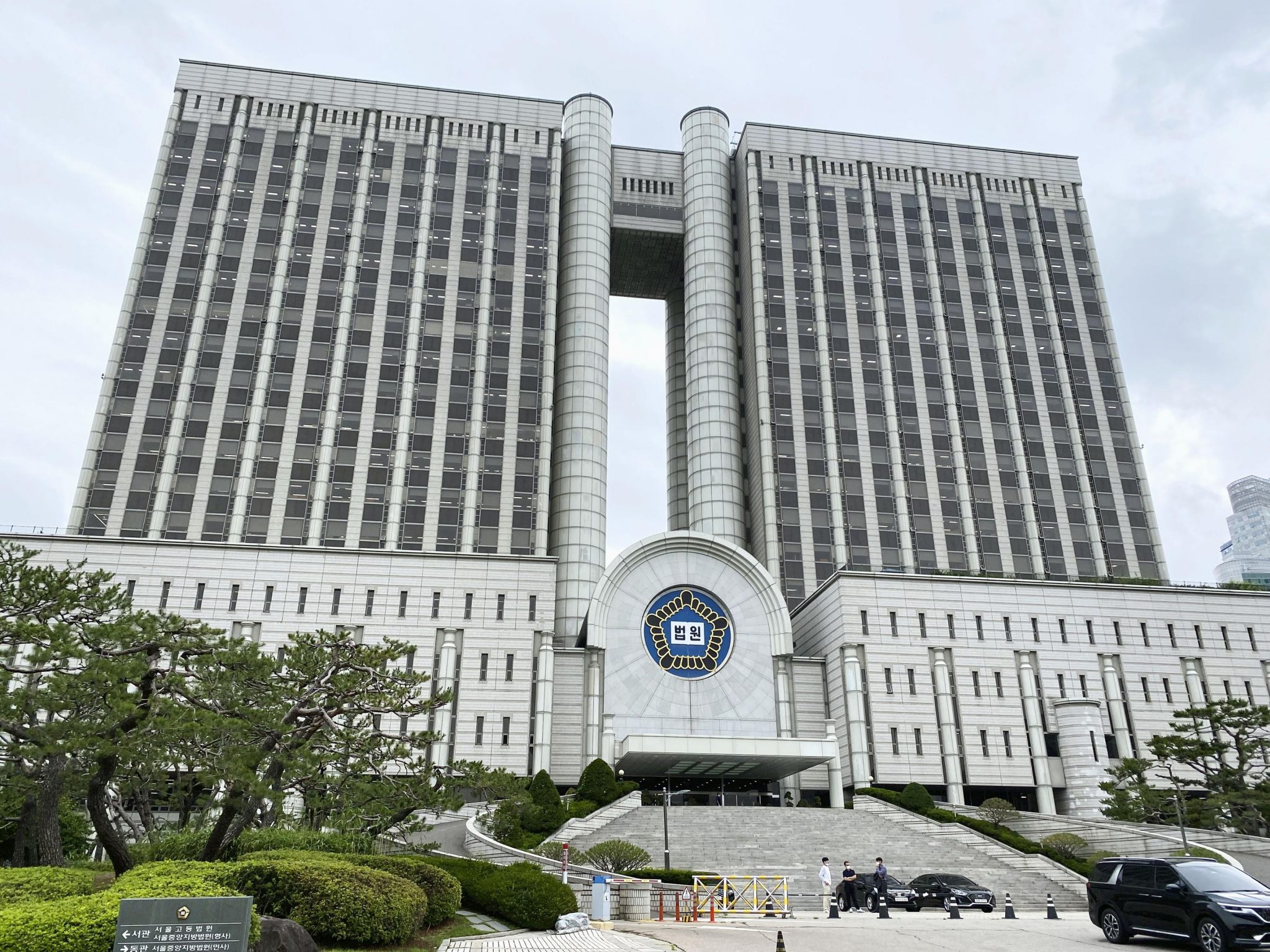
Institutional capital requires absolute transparency to price risk accurately, yet the current allegations suggest a breakdown in the flow of critical information. When governance fails at the founder level, the resulting valuation decay often outpaces any operational gains achieved through restructuring.
The Supreme Prosecutors' Office is scrutinizing the specific timing of short-term bond issuances totaling 82 billion won. Prosecutors allege that MBK Partners facilitated this capital raise while in possession of material non-public information related to an imminent credit rating downgrade for Homeplus.
This maneuver potentially shifted the burden of financial insolvency from equity holders to unsuspecting debt investors. If these allegations are substantiated, the structural integrity of the firm’s fiduciary framework could be permanently compromised. Such legal friction stalls current divestment strategies and complicates future fundraising efforts across the Asia-Pacific region.
For institutional investors, the issue is not the outcome of a single case, but whether governance controls scale proportionally with capital under management.
The Structural Breakdown of Fiduciary Transparency
Market participants are currently re-evaluating the boundary between aggressive turnaround strategies and fraudulent non-disclosure. The core of the conflict lies in whether the 82 billion won bond issuance served a legitimate restructuring purpose or constituted investor deception.
MBK Partners maintains that its actions were a desperate attempt to revive a retailer operating under court-supervised restructuring. However, the legal threshold for fraud in South Korea often hinges on the duty to warn creditors of deteriorating solvency metrics. This case demonstrates that even the most successful private equity founders are not immune to the rising tide of prosecutorial activism.
Strategic leaders must recognize that the cost of legal defense is secondary to the loss of institutional trust. As Homeplus navigates the Seoul Bankruptcy Court, the shadow of criminal charges against its owners creates a leadership vacuum.
This friction prevents the implementation of necessary operational shifts required to compete with modern e-commerce giants. When a firm is engaged in sustained legal conflict with the state, strategic execution and competitive positioning inevitably degrade.
Comparative Execution: Restructuring vs. Mismanagement
The distinction between aggressive restructuring and governance failure often becomes visible in how firms communicate with creditors during periods of distress. High-stakes restructuring requires a precise balance of capital preservation and transparent creditor engagement to maintain long-term viability.
| Traditional Approach | Future-Ready Execution |
|---|---|
| Opaque debt issuance during distress to preserve short-term liquidity | Transparent, multi-channel disclosure of credit risks to institutional lenders |
| Reliance on founder reputation to bypass rigorous compliance checks | Independent board-level audit of all capital raises during court receivership |
| Reactive legal defense focused on denying prosecutorial intent | Proactive ESG and governance frameworks aligned with OECD standards |
| Treating short-term bonds as a lever for equity protection | Treating debt markets as a strategic ecosystem requiring continuous trust |
Capital Markets and the High Stakes of Sovereign Oversight
The intervention by the Supreme Prosecutors' Office reflects a broader mandate to protect the integrity of the Korea Composite Stock Price Index (KOSPI) ecosystem.
By targeting the leadership of a firm managing over $32 billion in assets, regulators are signaling that scale no longer provides insulation from accountability. This move aligns with global trends in which bodies such as the Financial Action Task Force increasingly demand higher standards of beneficial ownership and disclosure transparency.
MBK Partners, once victorious over KKR and Carlyle Group in the $6.1 billion Homeplus acquisition, now finds its historical achievements overshadowed by mounting governance risk. Strategic asset exposure increases significantly when a firm’s primary decision-makers are entangled in criminal proceedings. Financial institutions acting as underwriters or advisors must now weigh the reputational consequences of continued association.
The operational framework of MBK Partners is being stress-tested by a legal system that increasingly views private equity through a lens of social and systemic impact. This shift forces a transition away from pure financial engineering toward responsible stewardship that accounts for creditors, employees, and capital markets alike.
Integrating Institutional Resilience and Global Standards
To survive this scrutiny, firms must adopt internal control frameworks comparable to those mandated under the Sarbanes-Oxley Act and European MiFID II regimes. The reliance on short-term debt to bridge structural gaps in a declining retail model such as Homeplus is inherently fragile. Without verifiable, auditable data supporting solvency assumptions, such maneuvers risk appearing as attempts to socialize losses while privatizing gains.
The evolution of South Korean corporate law, shaped in part by recent National Assembly inquiries, suggests a permanent erosion of founder-led impunity. The integration of Six Sigma–level precision into compliance departments is no longer optional for firms operating at this scale. Credit agency assessments from Moody’s and S&P Global increasingly carry evidentiary weight not only in capital markets, but also in courtrooms.
In this sense, the MBK–Homeplus case may ultimately be remembered less for its legal outcome than for how it recalibrated expectations of private equity governance in Asia. Global investors are watching closely as a potential inflection point in the long-standing “Korea Discount.”
C-Suite Directive: Rebuilding the Governance Moat
Boards must immediately initiate an independent forensic audit of all debt instruments issued during the Homeplus court receivership period. This step is essential to isolate the firm’s broader $32 billion asset base from the specific liabilities of the retail subsidiary. Leadership must enforce a disclosure-first culture that treats credit rating shifts and solvency indicators as material events requiring immediate dissemination.
Founders must recognize that appearances before the National Assembly are insufficient substitutes for institutionalized compliance systems. Recovery requires a comprehensive overhaul of the firm’s risk management architecture to ensure alignment with international governance standards. Protecting the moat now demands more than capital—it requires a demonstrable, structural commitment to the rule of law.
Key Questions Institutional Investors Are Asking About the MBK–Homeplus Case
How does the Homeplus case affect South Korea’s private equity market?
It raises the cost of capital by reintroducing governance risk into pricing models, particularly for founder-led firms.
Who is Michael Kim and what is the scale of MBK Partners?
Michael Kim is the founder of MBK Partners, which manages more than $32 billion in assets across Asia.
What are the legal implications of non-disclosure during restructuring?
Failure to disclose material credit risks can trigger criminal liability under South Korean securities and fraud statutes.
How does court-supervised restructuring function in Korea?
It requires creditor transparency and judicial oversight, limiting unilateral capital maneuvers by equity holders.
What impact do arrest warrants have on fundraising?
They significantly impair LP confidence, slow deployment, and complicate regulatory approvals across jurisdictions.
How does this relate to the “Korea Discount”?
Governance scandals reinforce the perception of elevated risk, sustaining valuation discounts in Korean markets.