Retro Music Tech Is Back, But Is Buying “New Vintage” Missing the Point?
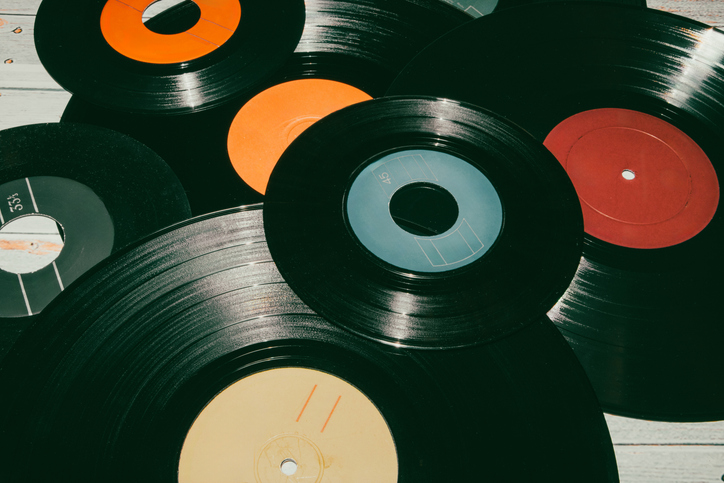
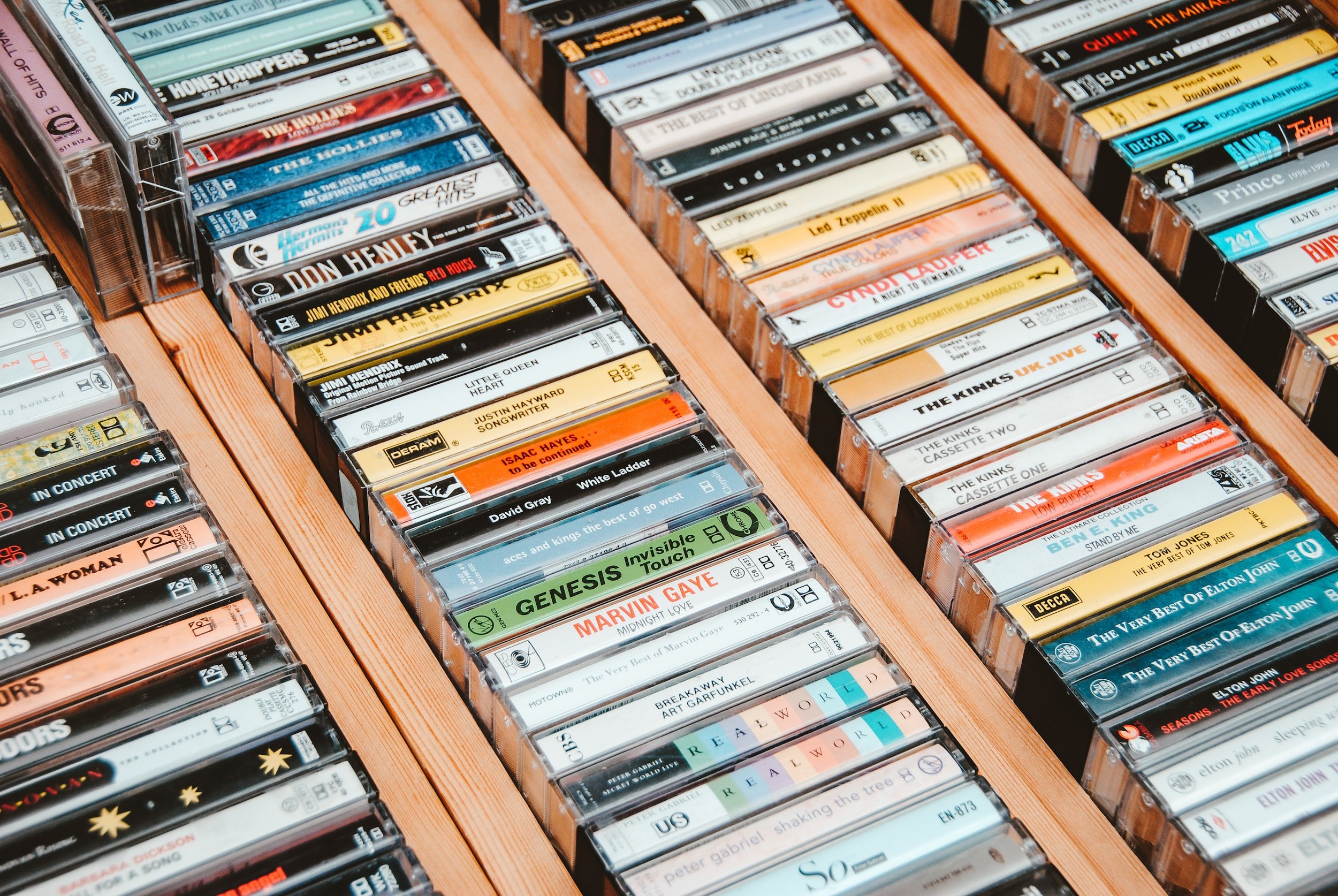
Something strange and wonderful is happening in music right now. Cassette tapes are back on shelves, vinyl records are stacked in living rooms again, wired earphones are draped around necks like fashion statements, and iPods are being hunted down online like rare artefacts. In a world dominated by streaming apps, smart speakers and invisible digital files, people are choosing slower, more tactile and more emotional ways to listen to music. It feels nostalgic, rebellious and strangely comforting all at once.
What makes this revival so fascinating is that it exists inside a hyper-modern world. We have access to millions of songs instantly, yet many people are choosing formats that require patience, commitment and physical effort. Music is no longer something you simply consume, it is something you participate in again.

Why We’re Falling Back in Love With Physical Music
A big part of this trend comes down to digital exhaustion. Streaming is convenient, but it can also feel endless, disposable and strangely empty. You don’t own your music, you borrow it. You don’t build a collection, you scroll through an algorithm. Music becomes background noise rather than a moment.
Physical formats slow everything down. A cassette demands that you listen in order. Vinyl forces you to stop, handle it carefully, and sit with an entire album rather than hopping from track to track. Even wired headphones change the experience, physically tethering you to the music in a way wireless versions never quite can.
Listening becomes a ritual again, not a reflex.
Cassettes, Vinyl and the Romance of Imperfection
Part of the appeal of cassette tapes and vinyl records is their imperfection. The soft hiss of a cassette, the crackle of a needle, the occasional warping of sound all make music feel alive rather than polished to sterile perfection. These aren’t flaws. They’re character.
New artists releasing their music on tape or vinyl are tapping into this desire for warmth and texture. Limited-edition pressings, coloured tapes and beautifully designed packaging make these formats feel collectible and emotionally meaningful. For many people, building a physical music collection feels more rewarding than saving a playlist that could disappear with a forgotten password.
Wired Earphones and the Joy of Visible Tech
Wired earphones have quietly become part of the retro revival in a way no one really expected. Once considered outdated and inconvenient, they are now stylish precisely because of their visibility. The wire itself has become an accessory.
There is also a practicality to them that feels refreshingly honest. They don’t need charging. They don’t lose connection. They simply work. In an era of constant updates, battery anxiety and disappearing ports, a piece of tech that does one thing reliably feels nearly revolutionary.
The iPod Comeback and the Desire for a Simpler Digital Life
The return of the iPod is perhaps the most telling part of this trend. It’s not about better sound or better technology. It’s about boundaries. A device that only plays music feels calm in a way smartphones no longer can.
People are deliberately separating music from notifications. From emails. From social comparison. From endless scrolling. Using an old iPod is a way of saying, “This time is just for listening.” That idea feels deeply appealing in a world that rarely stops talking.
The Ironic Side of the Retro Revival
Here is where the trend becomes beautifully contradictory.
This movement started as a rejection of overproduction, overconsumption and disposable culture. It was about slowing down and reconnecting with objects that last. But as the trend has grown, companies have stepped in to manufacture brand-new “vintage-style” cassette players, turntables and wired headphones. New plastic, new packaging, new carbon footprint, built to look old.
There is something deeply ironic about buying factory-fresh “retro” products in the name of nostalgia. The soul of the trend lies in reusing, repairing and rediscovering actual old tech, not mass-producing replicas of it.
Buying second-hand Walkmans, thrifting turntables or repairing old iPods feels much more aligned with the real spirit of the movement than ordering a modern reproduction with a retro filter.
Why This Trend Is Still a Good Thing
Despite the irony, this trend is genuinely positive in many ways. It is helping people slow down. It is making music feel emotional again. It is creating moments of calm in a world designed for constant stimulation.
The key is awareness. The more people understand the environmental and cultural story behind the trend, the more likely they are to embrace the sustainable side of it. The best version of this movement is thoughtful, slower and second-hand.
What’s Next for Non-Digital Music
This revival is far from over. Expect to see more hybrid technology that blends old design with modern functionality, more limited physical releases from mainstream artists, and more fashion-led tech that treats devices as visible lifestyle objects rather than tools to hide.
What started as nostalgia is becoming a statement about how people want to live.
Final Thoughts
The return of cassette tapes, vinyl, wired headphones and iPods says less about music and more about people. We are tired of endless content. We are tired of invisible ownership. We want texture, ritual and control back in our hands.
It’s great that people are rediscovering these formats. It’s even better when they do it sustainably.
Retro works best when it’s real, reused and loved, not newly manufactured to look old.