
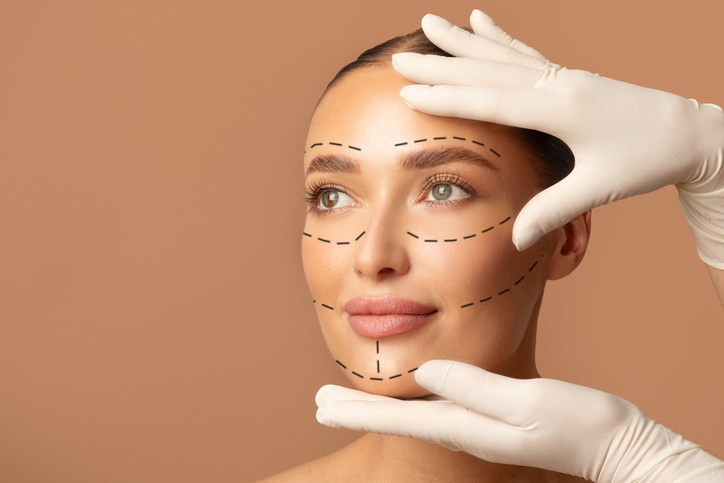
The Rise of Plastic Surgery in 2025 — Glamour, Trends, and Hidden Risks
What’s Trending: The Most Popular Procedures Right Now
Plastic surgery isn’t just booming — the kinds of procedures people want have shifted. According to recent data, the top cosmetic surgeries of 2024–2025 include: liposuction, breast augmentation, tummy tucks (abdominoplasty), thigh or body lifts, and eyelid surgery (blepharoplasty).
Facial rejuvenation is surging too. Nose reshaping (rhinoplasty), facelift or neck/face lifts, and eyelid lifts remain among the most requested operations.
On the non-surgical side, minimally invasive treatments — such as injectable fillers, Botox (neuromodulators), skin-tightening procedures, and dermal resurfacing — continue to dominate. These are popular because they deliver quick results with little recovery time.
Another factor driving demand is dramatic weight loss, often linked to popular weight-loss drugs. Many who lose weight turn to body-contouring procedures like tummy tucks, thigh lifts or arm lifts to address skin sagging.
Why Are More People Opting for Surgery — And Younger Than Ever
There are several reasons for the uptick.
-
Changing beauty standards and social pressure. With social media, video calls, filters and constant exposure to “ideal” images, many feel they’re falling short. The pressure to look polished — especially among younger people — is real. Non-surgical, subtle, “natural look” procedures feel accessible and quick.
-
Desire for immediate results with minimal disruption. Fillers, Botox and simple contouring seem like easy fixes, with near-instant results and faster recovery than traditional surgery.
-
Body changes — and quick fixes. As people lose weight (sometimes rapidly, e.g. via medication), they’re often left with loose skin or change in facial volume. Plastic surgery becomes a way to restore perceived “balance.”
-
Normalization and increased acceptance. Celebrities and public figures increasingly speak openly about cosmetic procedures. This removes some of the stigma and makes cosmetic enhancements seem like just another personal choice.
Because of all this, it’s now increasingly common for younger people — even those in their twenties or early thirties — to consider cosmetic tweaks. The demand is not limited to older adults seeking “rejuvenation.”
The Dangers: Why This Trend Is Risky — Physically and Mentally
This surge in cosmetic surgery isn’t without serious downsides.
Physical risks remain significant. Even “routine” procedures such as liposuction, facelifts or tummy tucks can lead to complications like infections, scarring, nerve damage, blood clots or unsatisfactory results. Body-contouring after weight loss carries its own risks, as tissues may react unpredictably. Recovery can be painful and lengthy — often much longer than patients expect.
Some of the newer, extreme trends are particularly worrisome. For example, risky body-modification procedures (like dramatic sculpting to meet unrealistic “ideal” proportions) are reported to be rising. These methods can threaten long-term health.
On the mental health side, social pressure, unrealistic beauty ideals, and the addictive nature of “quick fixes” can lead to a dangerous cycle. People may chase ever-shifting standards rather than addressing underlying issues of self-esteem or body image. As some critics argue, what these procedures offer is often a temporary “fix,” not real self-acceptance. > “Plastic surgery is largely unnecessary and people need therapy more than plastic surgery.”
There is also a growing concern that younger patients may not fully grasp the long-term gravity of their decisions, including future health implications or the need for repeated maintenance.
Social Pressure, Media and the Youth Surge
The rise of social media and shifting cultural beauty norms plays a central role. With apps filled with before-and-after photos, filters, and curated feeds of “perfect” bodies and faces, younger people increasingly equate beauty with surgically altered appearance.
This environment makes cosmetic procedures seem like the norm — even necessary to fit in. For many, it’s a response to comparison culture rather than a personal desire.
Influencers and celebrities who share their “successful” surgeries further fuel this cycle. When a public figure reveals a subtle facelift or implant, it can prompt thousands of followers to consider similar treatments — often without fully understanding the risks.
My Thoughts: When Cosmetic Enhancements Become Risky Business
I believe cosmetic surgery has its place. For reconstructive reasons, for boosting confidence after dramatic changes, or for personal empowerment — it can be meaningful. But what worries me is the growing culture of quick fixes, pressure to conform, and the glamorisation of irreversible changes.
When people chase ever-changing ideals — thinner waist, younger face, “perfect” curves — we move away from self-care and acceptance. We start treating bodies like projects rather than homes. And with younger people jumping on these trends, the risks become generational.
In the drive for instant results and social-mediaworthy transformations, we risk sacrificing long-term health, self-esteem and authenticity. In that light, the 2025 boom in plastic surgery feels less like progress and more like a warning sign.