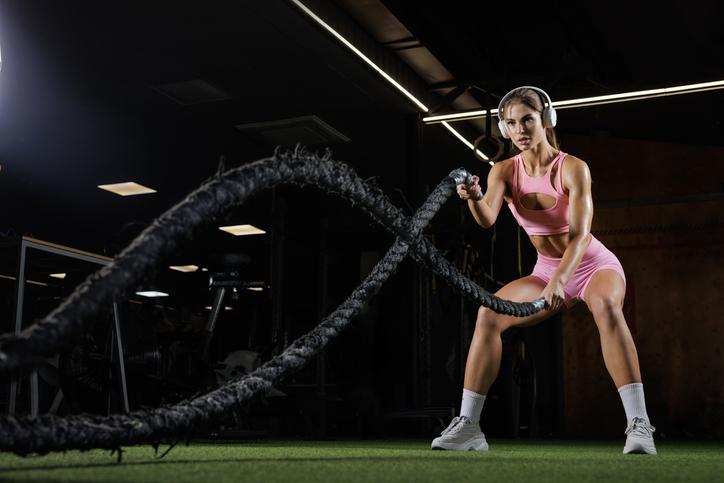
Is HIIT Still King? The Workout Trends Athletes Swear By This Year
Why the World Started Questioning HIIT
High-Intensity Interval Training has dominated the fitness scene for more than a decade, beloved for its efficiency and sweat-soaked results. But as our approach to exercise becomes more nuanced, many people are questioning whether HIIT is still the best option for everyday training. The answer, unsurprisingly, is a bit more complicated than a simple yes or no.
HIIT remains effective, but its role is shifting. Instead of being the main event, it's becoming one piece of a more holistic fitness routine.
HIIT’s Staying Power
Despite changing preferences, HIIT isn’t going anywhere. Athletes still rely on it for improving cardiovascular endurance, boosting metabolism and pushing performance boundaries. It’s incredibly time-efficient, which makes it perfect for busy schedules or people who need a quick but intense endorphin hit.
However, what has evolved is how we use it. Many trainers now recommend doing HIIT two or three times a week at most to prevent burnout, injury or hormonal stress. The focus has moved from “as hard as possible” to “as effective as possible.”
The Rise of Hybrid Training
One of the biggest shifts in 2025 is the move toward hybrid workouts that blend multiple training styles. Athletes are mixing strength training with steady-state cardio, adding mobility work to their schedules and incorporating restorative exercises.
This hybrid approach helps create stronger, more balanced bodies, reducing the risk of overtraining. Instead of chasing exhaustion, people are chasing longevity.
Strength Training Is Taking the Lead
Strength training has gradually become the foundation of many athletes’ routines. It improves posture, supports metabolism, enhances mobility and builds resilience. The misconception that you need to choose between strength and cardio is fading fast. Now, people are using strength work to enhance their HIIT sessions, not replace them.
Low-Impact Cycles Are Trending
Perhaps the biggest reason HIIT feels “less dominant” today is the rise of structured low-impact phases in training. Many athletes now follow periodised plans, which means programming gentler training weeks or months to support long-term performance.
These phases help the body recover from high-intensity cycles, which ultimately leads to better results.
So, Is HIIT Still King?
In short: HIIT is still a valuable part of a well-rounded routine, but it’s no longer the star that stands alone. Athletes now favour intelligent training over intensity-for-intensity’s-sake. HIIT works best when balanced with strength sessions, mobility training and low-impact workouts.
The shift isn’t about replacing HIIT. It’s about evolving beyond one-size-fits-all fitness.