
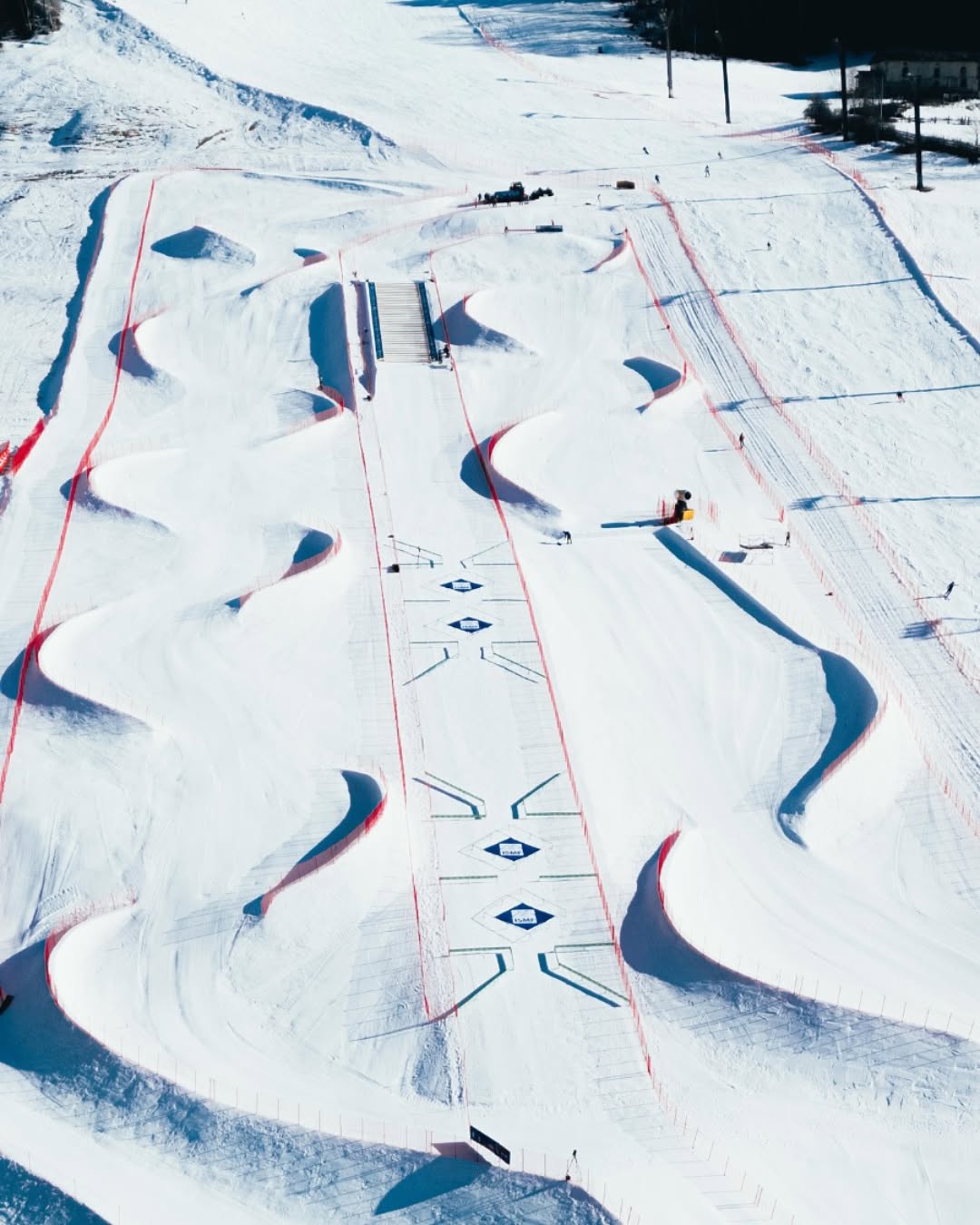
The Ultimate Viewer’s Guide to the 2026 Winter Olympics
The 2026 Winter Olympics are approaching fast, and excitement is building for what promises to be one of the most unique Games in modern history. Whether you plan to watch from home or hope to secure a ticket for the live experience, Milano Cortina 2026 offers a blend of iconic Italian scenery, cutting-edge competition, and a few new twists for winter-sports fans. This guide gives you accurate, confirmed details while clearly separating predictions and expectations still to be finalized.
Where the Games Will Take Place
The 2026 Winter Olympics will officially be hosted by Milan and Cortina d’Ampezzo, Italy, from 6 to 22 February 2026. These are confirmed details.
The event is unusual because it spans multiple clusters rather than a single Olympic Park. Milan will host many ice events and the Opening Ceremony at the historic San Siro Stadium. Cortina d’Ampezzo, famed for its alpine legacy, will host several skiing and sliding events. Other clusters include Bormio, Livigno, Anterselva, Predazzo and Tesero, all well-established winter-sports venues.
The Closing Ceremony is confirmed to take place in the atmospheric Roman amphitheatre, the Verona Arena.
What Sports and Events to Expect
The Games will feature 16 winter-sports disciplines and 116 medal events. This includes alpine skiing, biathlon, bobsleigh, cross-country skiing, figure skating, ice hockey, freestyle skiing, curling, luge, Nordic combined, short track speed skating, skeleton, snowboard, ski jumping and speed skating.
A major confirmed addition for 2026 is ski mountaineering, which will make its Olympic debut with sprint and mixed-relay formats. This new discipline is expected to attract attention thanks to its dramatic climbs, rapid transitions and fast, tactical finishes.
Everything listed above is officially confirmed.
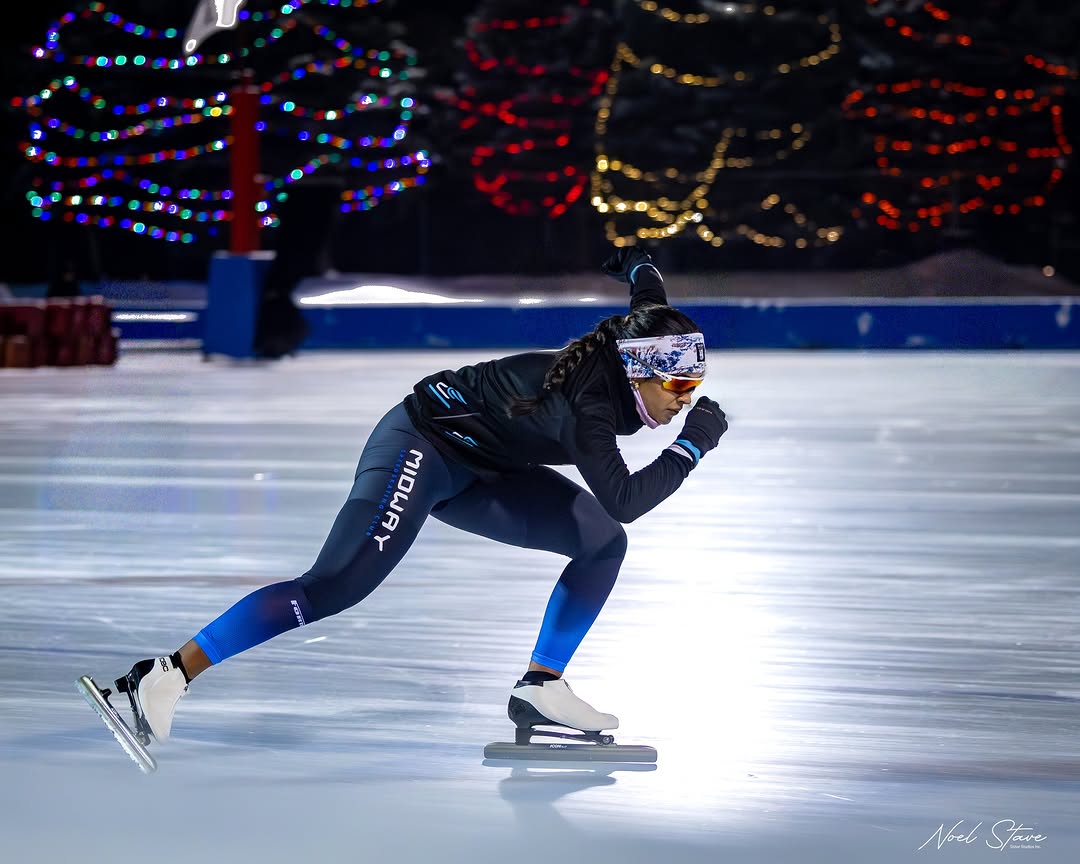
Elise Stave warms up under lights at AmCup 1 / John Rose Open at the John Rose Oval in Roseville, MN on Dec 5, 2025. @noelstave
Athletes to Watch
Athlete participation and rosters will not be finalized until much closer to the Games, so all athlete mentions must be considered predictions based on current standings and typical qualification patterns.
Fans can likely expect to see a mix of legendary names and rising stars. For example, some of the biggest winter-sports figures who may feature include competitors in alpine skiing, freestyle skiing, figure skating and ice hockey who have dominated their circuits in recent years. National teams such as Canada, the United States, Sweden and Finland traditionally shine in hockey, while powerhouse nations in skiing like Austria, Switzerland and Italy often deliver memorable performances.
While none of these athletes or teams are officially confirmed for 2026, these predictions align with typical Olympic qualification trends.
What Viewers Should Know Before Watching
Milano Cortina 2026 will offer a visually stunning broadcast experience. With events spread across the Italian Alps, the Dolomites and modern arenas in Milan, viewers can expect a mixture of dramatic mountain backdrops and high-energy indoor competition.
Although final broadcast details depend on the television and streaming partners in each region, it is expected that the Games will be available live and on replay across major sports networks and streaming platforms. This follows the broadcast pattern of past Olympics, but final schedules will be released closer to the Opening Ceremony.
For viewers watching at home, it’s worth planning time-zone adjustments early. Italy sits in Central European Time, meaning viewers in North America and Asia will see many events early in the morning or late at night. Broadcasters typically provide multiple replay windows to help accommodate global audiences.
How to Get Tickets to the 2026 Winter Olympics
Official ticketing for Milano Cortina 2026 is being released in phases. Registration for updates has opened, and this is the safest and most reliable way to gain early access to ticket windows. Ticket prices and availability vary widely depending on the event, venue and popularity of the sport.
High-demand events such as alpine skiing finals, figure skating, ice hockey and Opening and Closing Ceremonies are expected to sell out quickly. This prediction is based on past Winter Olympics and the limited seating of mountain venues. Fans who want prime events should plan to register early, allow for flexibility and monitor official announcements.
Because the Games are spread across multiple alpine towns, spectators should also anticipate longer travel times between venues. It is expected that Olympic transport systems will link clusters, but details such as shuttle frequency and local mobility plans will be confirmed closer to 2026.
What to Expect if You Attend in Person
Attending the 2026 Games in person will offer a blend of historic charm, modern design and world-class sport. Mountain clusters such as Bormio, Livigno and Cortina d’Ampezzo will give spectators postcard-worthy scenery, while Milan provides culture, architecture and nightlife.
Because the Games span multiple regions, accommodation will be competitive, especially in mountain towns with limited capacity. Many experts predict that staying in nearby cities or villages and commuting to events may provide better value and availability. This is not confirmed by organizers but is a reliable trend seen in past multi-site Olympics.
Weather conditions in February can range from sunny alpine days to heavy snowfall. Viewers attending outdoor events should prepare for cold temperatures, potential wind and long viewing hours on slopes or in open stands.
Final Thoughts
The 2026 Winter Olympics will combine modern Italian cities, alpine heritage and new sporting frontiers in one ambitious event. All confirmed details point to a spectacular and innovative Games, while predictions suggest dramatic competition and strong showings from winter-sports powerhouses. Whether you plan to attend or watch from home, Milano Cortina 2026 has all the makings of an unforgettable Olympic experience.