How to Prepare Your Car for Winter and Stay Safe on Cold Roads
Winter driving brings a unique set of challenges, from icy roads and reduced visibility to increased wear on your vehicle. Preparing your car for winter is not just about avoiding breakdowns, but about protecting yourself, your passengers, and other road users. A few simple checks before the cold weather arrives can make a significant difference to how safely and confidently your car handles winter conditions.
Why Preparing Your Car for Winter Matters
Cold temperatures affect almost every part of a vehicle. Batteries lose efficiency, tyres struggle for grip, and fluids can thicken or freeze altogether. When roads are slippery and visibility is poor, even small mechanical issues can quickly become dangerous. Preparing your car ahead of time reduces the risk of unexpected problems and helps ensure your vehicle performs as it should when conditions are at their worst.
Tyres and Road Grip in Winter Conditions
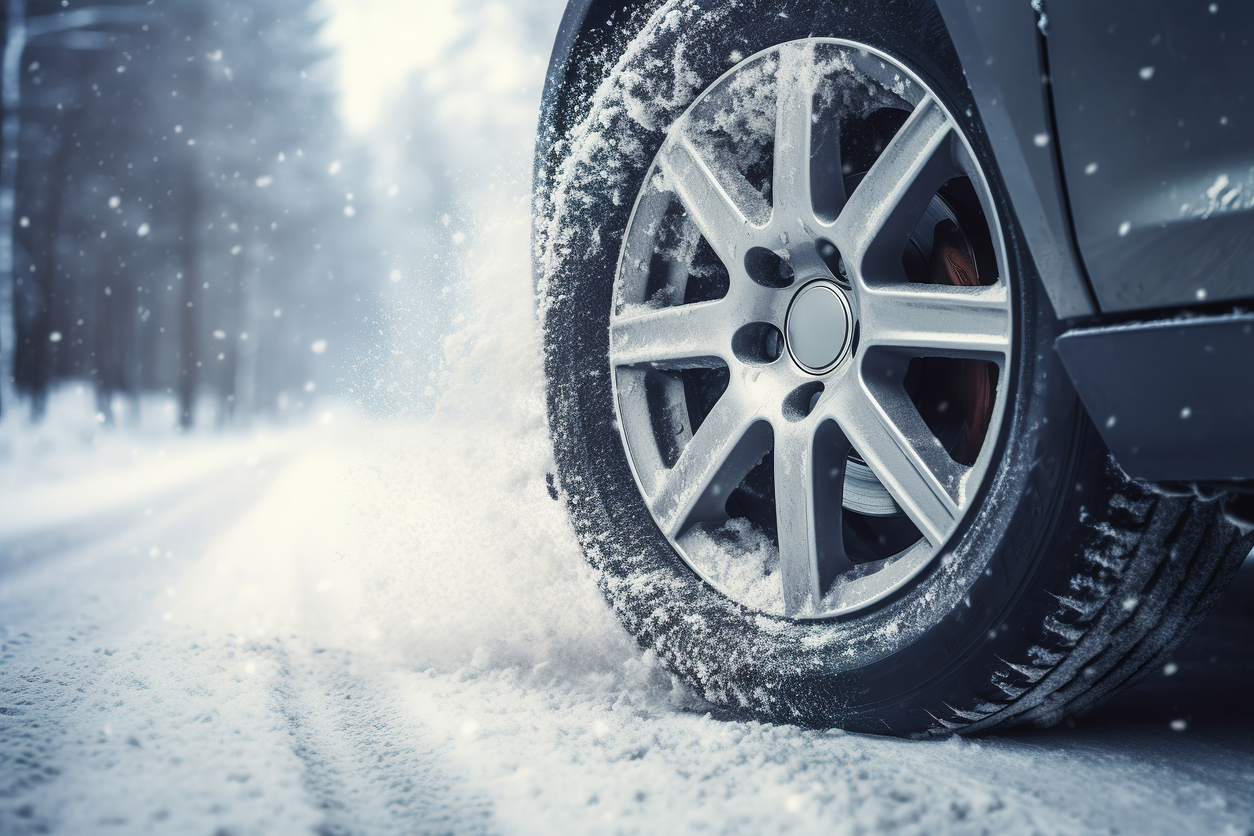
Tyres play a critical role in winter safety. As temperatures drop, rubber becomes less flexible, which reduces traction on wet or icy roads. Worn tyres with shallow tread are particularly risky in winter, as they struggle to disperse water and slush effectively. Ensuring your tyres have adequate tread depth and are inflated to the correct pressure can noticeably improve grip and braking. In colder regions, switching to winter tyres can provide extra confidence, especially when driving on snow or ice.
Battery Reliability in Cold Weather
A failing battery is one of the most common winter car problems. Cold weather puts extra strain on the battery, making it harder to start the engine, particularly first thing in the morning. If your battery is more than a few years old or has shown signs of weakness, winter is often when it finally gives up. Having it tested before the cold sets in can help you avoid being stranded in freezing conditions.
Fluids, Visibility, and Mechanical Checks
Winter conditions demand more from your car’s fluids. Antifreeze helps prevent the engine from freezing, while winter-grade windscreen washer fluid stops your washer system from icing over. Visibility is equally important, as darker mornings and evenings are common during winter months. Worn wiper blades, dirty headlights, or poorly functioning demisters can seriously reduce your ability to see and be seen, increasing the risk of accidents.
Heating, Brakes, and Emergency Preparedness
Your car’s heating system is not just about comfort. It plays an important role in keeping windows clear and maintaining visibility. Brakes should also feel responsive and predictable, especially on slippery roads where stopping distances increase. Carrying a basic winter emergency kit in your car provides extra reassurance, particularly for longer journeys or rural driving, where help may take longer to arrive.
Final Thoughts on Winter Car Safety
Preparing your car for winter does not need to be complicated or time-consuming. A few checks and small adjustments can dramatically improve safety and reliability. Taking the time to prepare now can help you drive with confidence throughout the winter months, whatever the weather brings.