How Technology Influences Shopping Habits
Shopping today looks very different from just a decade ago. With smartphones, apps, and online platforms shaping every stage of the buying journey, consumers are constantly influenced by technology often without realising it. Understanding how technology influences shopping habits can help people make more informed decisions and develop healthier spending behaviours.
Convenience and the Changing Nature of Shopping
Technology has made shopping faster and more accessible than ever. Consumers can browse products, compare prices, and complete purchases in minutes, often without leaving home. This convenience has raised expectations around speed and availability, making instant access feel normal rather than exceptional.
However, this ease also reduces the time between wanting something and buying it. When purchases are only a click away, there is less opportunity to pause and consider whether something is truly needed.
Personalisation and Targeted Recommendations
Online retailers and apps use data such as browsing history, past purchases, and search behaviour to personalise recommendations. These suggestions can feel helpful and relevant, but they are also designed to encourage additional spending. Over time, shoppers may feel drawn toward products they did not initially intend to buy.
Targeted advertising across social media and websites reinforces these signals, making products feel familiar and desirable through repeated exposure.
Reviews, Influencers, and Digital Trust
Technology has shifted consumer trust away from traditional advertising and toward peer opinions. Reviews, ratings, and influencer endorsements now play a major role in shaping purchasing decisions. Seeing others validate a product can reduce uncertainty and increase confidence.
At the same time, sponsored content and fake reviews can blur the line between genuine recommendations and marketing, making critical thinking an essential shopping skill.
Spending Psychology in a Cashless World
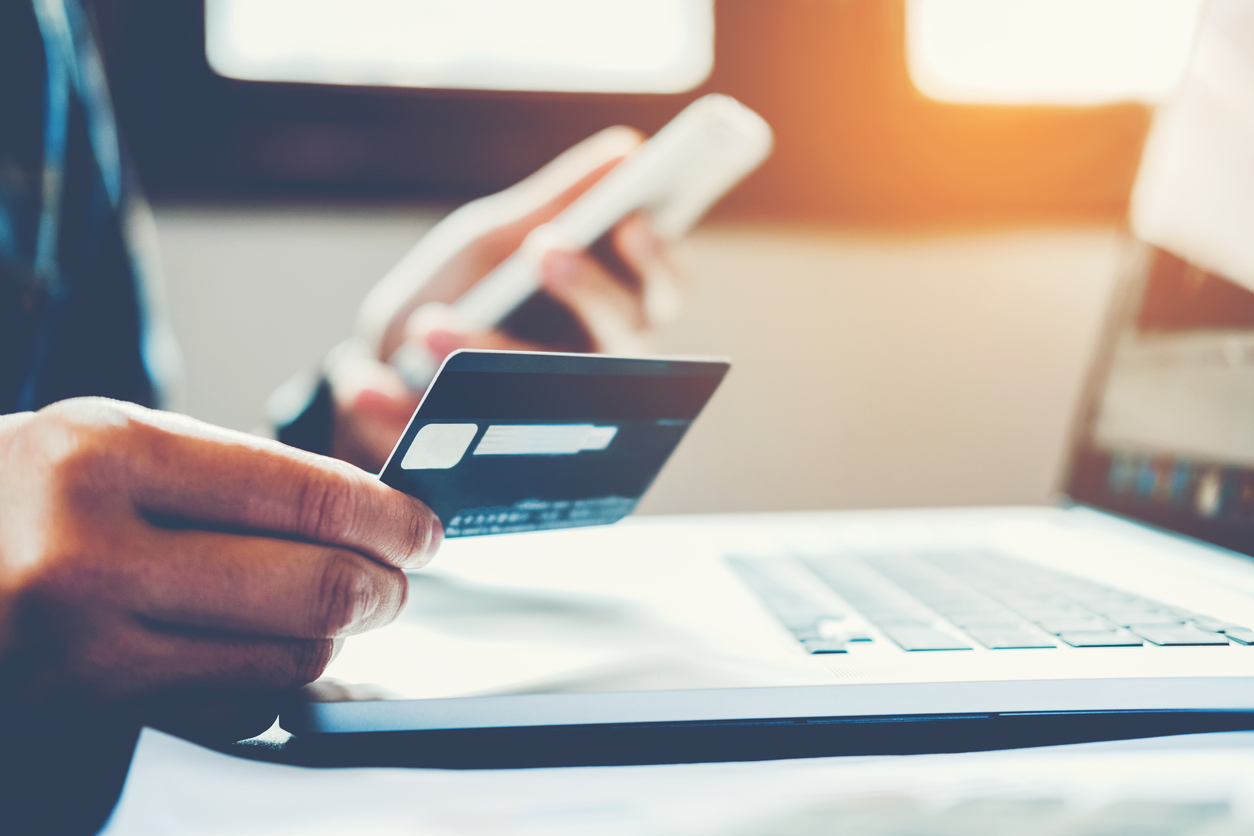
Digital payments, saved card details, and buy-now-pay-later services have changed how spending feels. When money is not physically exchanged, purchases can feel less tangible, making it easier to overspend. Without careful tracking, small purchases can quickly add up.
Final Thoughts on Smarter Tech-Driven Shopping
Technology can make shopping easier and more efficient, but awareness is key. Understanding how digital tools influence behaviour allows consumers to slow down, shop intentionally, and use technology in a way that supports financial wellbeing rather than undermining it.