Why Hollywood’s AI Obsession Is Facing Pushback: The Creative Debate Behind the Camera
Artificial intelligence has swept into Hollywood with the force of a cultural earthquake. From digitally de-aging actors to generating voices, scripts and even entire scenes, the entertainment industry is discovering just how powerful — and how controversial — AI can be. While some claim these tools will redefine filmmaking, others see them as a threat to artistic integrity. And few critics have been as outspoken as actress, director and tech consultant Justine Bateman, whose warnings have thrust the conversation back into the spotlight.
Her message is blunt: AI may excel at automation, but it doesn’t belong at the heart of storytelling. In a moment when studios are increasingly tempted by algorithm-driven shortcuts, Bateman and many fellow creatives argue that filmmaking must remain a human endeavor — for the sake of artists, audiences and the future of culture itself.
Justine Bateman’s Stand: Art Requires Artists
Bateman has been one of Hollywood’s most vocal opponents of using AI to replace creative labor. Her concern isn’t rooted in resisting new technology but in protecting what makes film an art form rather than a software product. She has repeatedly cautioned that AI-generated performances, scripts or faces lack the essential qualities that make cinema meaningful: emotion, lived experience, intuition and imperfection.
In her view, the push to insert AI into core creative tasks is less about innovation and more about corporate convenience — a way for “tech bros,” as she has put it, to disrupt an industry without fully understanding its emotional depth. A movie can be polished by algorithms, but it cannot be felt by them.
Her stance resonates strongly within the creative community because it cuts to the heart of what storytelling is — a human-to-human exchange.
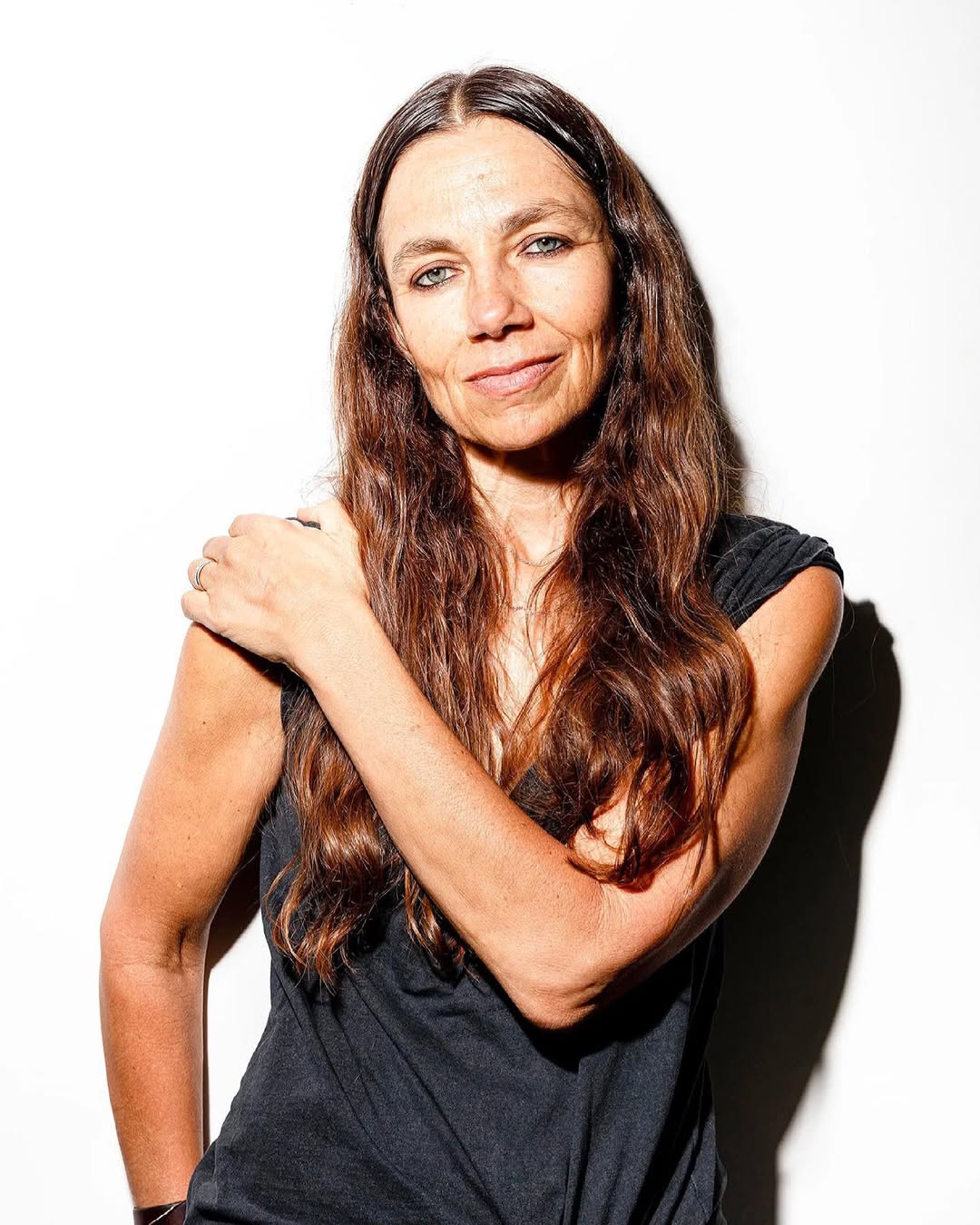
Justine Bateman
Hollywood’s Growing AI Experiment
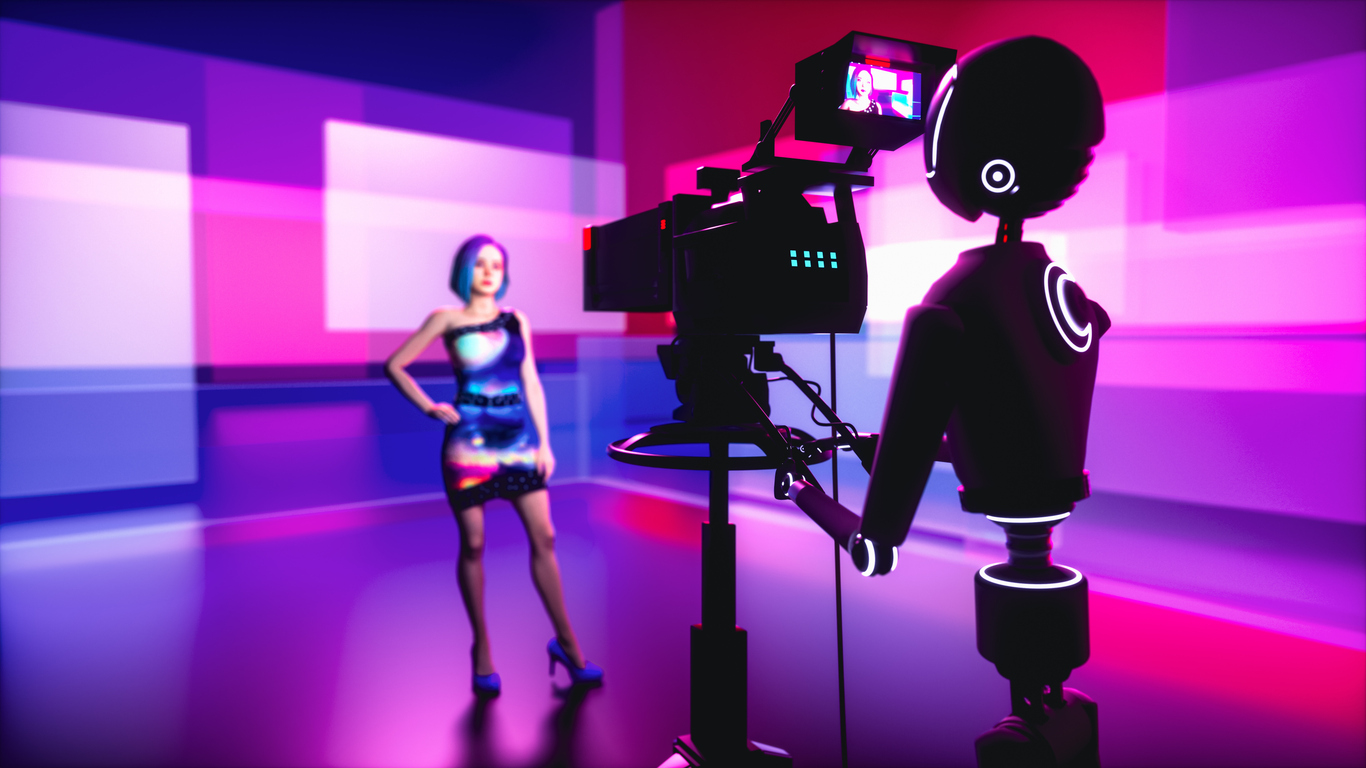
AI is already embedded in parts of filmmaking, often in ways invisible to audiences. Visual effects teams use machine learning for cleanup work, studios experiment with AI tools for dubbing, and some production teams use AI to plan camera angles or replicate sets. These uses are generally accepted as technical enhancements rather than creative replacements.
Where controversy erupts is when AI moves into the realm of creative decision-making:
• Digitally recreating deceased actors
• Using AI voice models without performers present
• Generating dialogue or scenes from prompts
• Replacing background actors with AI “crowds”
• Using AI to rewrite or “punch up” scripts
These practices have sparked alarm from actors, writers and directors who argue they bypass real talent while severely threatening careers — especially for early-career creatives trying to break in.
Other celebrities and industry figures have voiced concerns in recent years, particularly during the 2023 Hollywood labor strikes, when protections against AI replacement became a major sticking point. The common theme across these voices: AI must never be allowed to substitute creative labor.
Creativity Isn’t Code: Why AI Falls Short in Film
AI can replicate patterns, but it cannot replicate the human experience — and that’s what great films are built on.
A human performer fills a frame with more than movement. They bring a lifetime of emotion, cultural memory, personal history and instinct. These elements shape micro-expressions, timing, vocal shifts and emotional depth. AI, by contrast, predicts patterns based on data. It can approximate expression, but it does not understand expression.
This distinction, Bateman argues, is not small it’s fundamental.
Every screenplay, every performance, every edit is infused with human perspective. Creativity is not efficiency. It’s not “content production.” It’s craft. And no machine can reproduce the unpredictable, soulful, sometimes messy brilliance that happens when artists collaborate in real time.
The Risk for Future Generations of Artists
One of the most urgent concerns across Hollywood is the potential disappearance of opportunities for emerging talent.
If AI can generate a passable background actor, why hire hundreds?
If AI can produce a rough script, will studios hire fewer junior writers?
If AI can simulate a big-name actor, will newcomers ever get a breakthrough role?
These questions represent real anxieties voiced by professionals throughout the industry. Aspiring actors, editors, animators and writers build careers through apprenticeship: bit parts, assistant roles, entry-level scripts. If algorithms absorb those opportunities, the next generation of filmmakers may struggle to exist at all.
Without real humans learning the craft, the future pipeline of storytellers weakens — not because talent disappears, but because opportunity does.
Why Audiences Should Care
This debate isn’t only about Hollywood politics. It’s about the quality of the movies we will watch.
Audiences may enjoy visually stunning AI-enhanced scenes, but fully AI-generated filmmaking risks producing stories that feel hollow: predictable plots, emotionless performances, and uncanny character behavior. The risk is subtle but real — art could become algorithmically optimized, rather than emotionally resonant.
Bateman and other creatives argue that audiences deserve the flaws, risks and beauty of human expression. Cinema is compelling precisely because it is human. When you watch a character break down, fall in love, discover truth or face loss, you’re witnessing real emotion interpreted through acting craft — not data modeling.
The Way Forward: Technology as a Tool, Not a Replacement
AI is not going away, and many filmmakers acknowledge that. But the consensus among human-focused creatives is that AI must remain a tool — not the artist.
Used responsibly, AI can streamline workflows, accelerate post-production and enhance effects. It can support storytellers. It should not become the storyteller.
Bateman’s message, echoed by many, is clear: the film industry must prioritize human creativity and protect it with strong ethical and legal frameworks. Innovation should empower artists, not erase them.
Conclusion: The Future of Film Depends on Human Hands
The heart of cinema has always been people — writers with fresh ideas, actors who pour emotion into every gesture, directors who shape meaning through vision. AI has its place in technical support, but it cannot replace the imagination, empathy and intuition of human creators.
Hollywood’s future depends on choosing humanity over convenience. As the debate grows louder, one thing remains certain: film is a human art form. And it should stay that way.