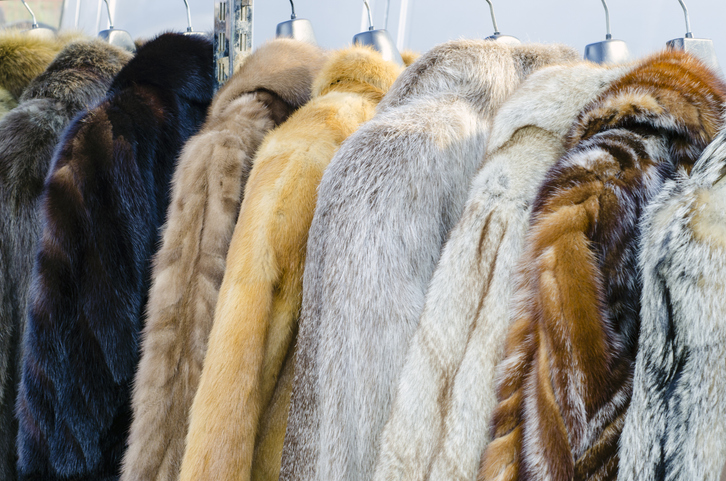
Fur in Fashion: From Luxury Legacy to Ethical Turning Point
The Evolution of Fur’s Place in Fashion
Fur has long been one of the most iconic materials in fashion history, symbolising wealth, prestige, and glamour. From regal robes worn by monarchs centuries ago to celebrity-studded red carpets in the 20th century, real fur was once considered the pinnacle of luxury. Yet today, as ethical concerns about animal welfare and environmental impact grow, the fashion industry is confronting its complicated relationship with fur. Designers, fashion councils, activists, and consumers are questioning whether this once-coveted material still has a place in a modern, conscious wardrobe.
A Brief History: Fur as Status, Warmth, and Style
For millennia, humans have turned to animal pelts for warmth and protection. In early cultures, fur was a practical necessity, keeping people alive in harsh climates. As societies evolved, fur expanded into the realm of status and fashion. In the Middle Ages and Renaissance, fur-trimmed garments signalled nobility. By the early 20th century, fur coats and stoles had become symbols of opulence in Western culture, worn by Hollywood stars and wealthy socialites.
The 1920s through the 1960s marked a true golden age for fur fashion. Mink, fox, sable, and chinchilla pelts became staples in couture houses and luxury ready-to-wear collections. Fur was not only luxurious but also practical in colder climates, cementing its place in iconic fashion moments and editorial pages.
The Ethical Backlash and Animal Welfare Concerns
The rise of animal rights activism in the 1970s and beyond brought critical scrutiny to the fur industry. As animal welfare organisations exposed practices on fur farms and in trapping operations, the conversation began to shift. Campaigns highlighted the suffering of animals raised in confinement for their pelts and called out the violent reality behind fur production.
By the late 20th and early 21st centuries, pressure mounted on designers and fashion houses. High-profile protests, boycotts, and cultural shifts in consumer values gradually eroded fur’s unquestioned dominance. In recent years, major industry players have taken decisive steps to distance themselves from animal fur. Vogue’s parent company, for instance, announced it would no longer feature new animal fur in its editorial content or advertising a symbolic yet significant indicator of how far the industry has moved from glamorising fur.

Industry Shifts: Fur Bans and Fashion Week Decisions
One of the most telling developments in the fur debate is the rise of formalised bans. In December 2025 the Council of Fashion Designers of America (CFDA) announced that beginning in September 2026, animal fur will no longer be permitted on official New York Fashion Week runways. This decision, part of a broader move toward ethical fashion, reflects shifting consumer expectations and the industry’s willingness to support cruelty-free design. Exemptions are limited only to situations where fur is sourced through traditional Indigenous subsistence hunting practices.
Such regulatory changes are part of a larger pattern. London Fashion Week and several other major fashion events have already banned fur and exotic animal skins, setting a global precedent for ethical material standards. These bans reflect both activism and market demand, as brands increasingly embrace cruelty-free and sustainable alternatives.
Faux Fur: Ethical Alternative or Environmental Problem?
Faux fur, once a clear ethical alternative to real pelts, has become a complex subject in its own right. First developed in the mid-20th century as a synthetic alternative to animal fur, faux fur allowed designers and consumers to enjoy the look and feel of fur without directly harming animals. Early versions were functional but not always convincing, until technological advances made faux fur rich, soft, and visually indistinguishable from the real thing.
Today, faux fur is widely used by designers who market themselves as fur-free, cruelty-free, or vegan. Major labels and brands like Stella McCartney and Shrimps have made faux fur a signature element of their collections, positioning it as a fashion forward, animal-friendly choice.
However, faux fur is not without its critics. Most faux fur is made from petroleum-based fibres like polyester or acrylic, meaning it is essentially plastic. These synthetic fibres shed microplastics into waterways during washing and can persist in the environment for centuries because they are not biodegradable. Environmental advocates argue that while faux fur eliminates animal cruelty, it perpetuates other sustainability challenges linked to fossil fuel extraction and pollution.
The Ethics at the Crossroads
The ethical debate around fur and faux fur encompasses several layers. On one hand, real fur is directly tied to the killing of animals, often in ways animal rights supporters describe as cruel and unnecessary for fashion purposes. On the other hand, synthetic fur presents environmental drawbacks due to plastic production and microplastic pollution.
Some industry analysts suggest that the ethical solution lies not in choosing between two imperfect options, but in reducing overall consumption and innovating truly sustainable materials. Emerging technologies like plant-based “fur” made from natural fibres or bio-engineered alternatives are gaining attention, though they are not yet scalable.
Another nuanced perspective is the idea of upcycling or vintage fur. Using existing fur pieces already in circulation can reduce waste and avoid encouraging new production, though this approach remains controversial among animal rights advocates.
The Future of Fur in Fashion
Fur’s status in fashion continues to evolve. While its presence on runways and in luxury collections has declined significantly as part of ethical shifts, there is still a fringe resurgence in vintage pieces and “retro” styling among younger consumers. Some fashion historians view this as nostalgic, while activists worry it could normalise fur once again.
Nevertheless, the broader trajectory points toward a reduced role for real animal fur, especially in mainstream fashion. With high-profile bans, ethical consumer pressure, and greater awareness of material impacts, the industry is moving toward alternatives that seek to balance aesthetic desire with compassion and sustainability.
Conclusion: Ethics, Style, and Responsibility
The story of fur in fashion is far from simple. It intertwines centuries of cultural meaning with modern questions about ethics, environment, and consumer responsibility. While real fur’s dominance has waned dramatically due to ethical concerns and evolving values, faux fur’s own sustainability issues remind us that the fashion industry still has work to do.
The path forward, many believe, lies not just in rejecting old paradigms but in inventing new ones: materials and practices that are beautiful, humane, and truly sustainable. Whether the fashion world can fully leave fur behind — in all forms — remains to be seen. But one thing is clear: the conversation about fur has changed forever, and the industry is listening.