
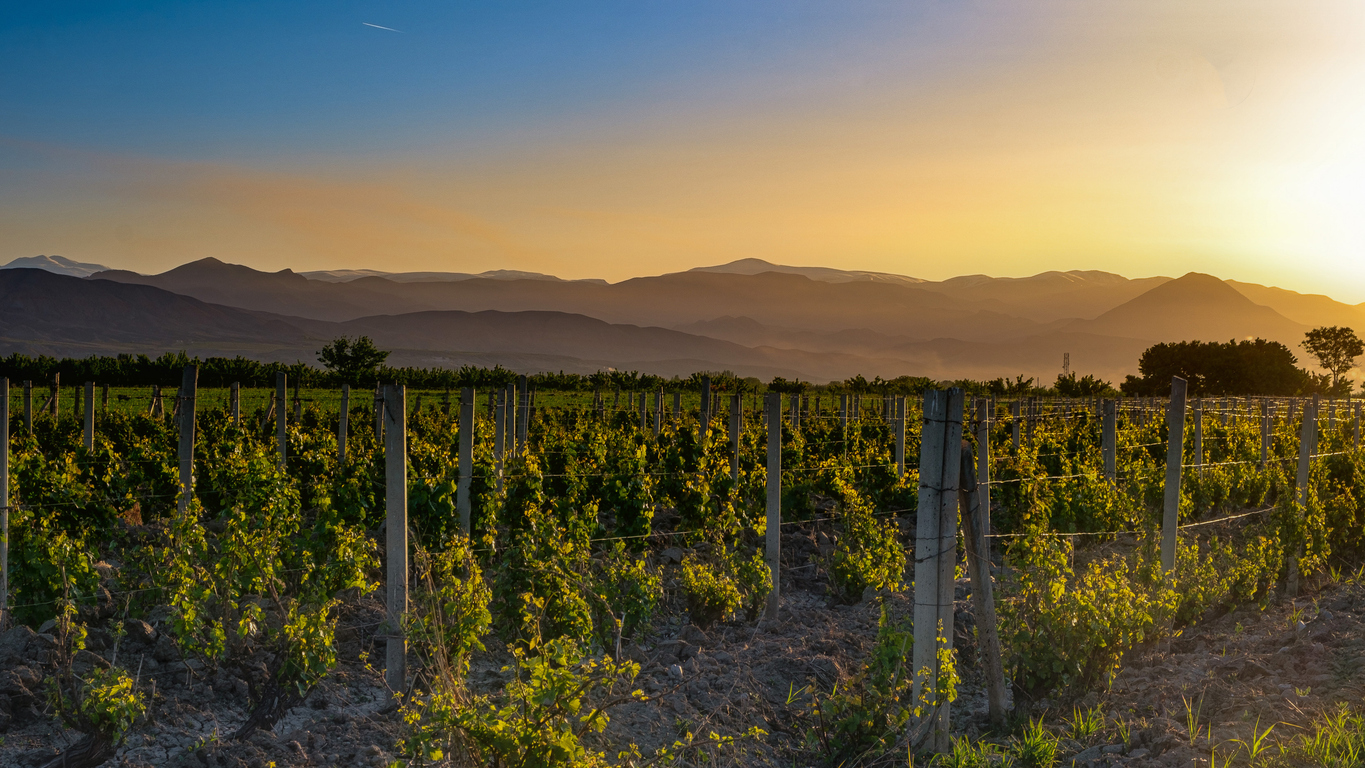
The World’s Top Vineyards: Where Great Wine Is Born
Wine lovers know there is magic inside every bottle, but the real enchantment begins long before the cork is popped. It starts in rolling hills, sun-drenched valleys, and centuries-old estates where passionate winemakers coax flavor from soil, climate, and time. Whether you dream of sipping your way across Europe or learning how wine is made from vine to barrel, the world’s great vineyards offer unforgettable experiences for travelers and wine enthusiasts alike.
The Importance of Terroir
If winemakers had a secret language, the word terroir would be at the center of it. Terroir is the unique blend of soil, weather, altitude, and landscape that shapes every grape. It is why a Chardonnay from Burgundy tastes elegant and mineral, while a Chardonnay from California feels bold and sunny. Great vineyards are born from exceptional terroir, and entire regions have built their reputations on it. Some places simply have the perfect combination of sun, earth, and climate, and winemakers flock there for good reason.
Europe’s Legendary Wine Regions
Europe is home to some of the most iconic vineyards on Earth. France continues to be the gold standard for many travelers. Bordeaux offers vast estates producing structured reds built for aging, while Burgundy charms visitors with winding country roads and small family domaines where the world’s most coveted Pinot Noir begins as tiny clusters of grapes. Italy’s Tuscany region adds romance to the experience with hillside vineyards, medieval villages, and full-bodied wines that pair beautifully with local food. Spain, too, shouldn’t be overlooked. Regions like La Rioja produce deep, complex reds that attract wine pilgrims year after year.
These European vineyards excel because they blend history and craft. Many estates have been operating for centuries, and visiting them feels like stepping into a story that began long before you arrived.
New World Vineyards on the Rise
While Europe may be the birthplace of wine culture, New World regions have rapidly become must-visit destinations. California’s Napa Valley delivers powerful Cabernets and picture-perfect tasting rooms framed by palm trees and mountain peaks. South Africa offers stunning coastal vineyards where sea breezes shape crisp whites and fruit-forward reds. Australia’s Barossa Valley has made a global name for itself with bold Shiraz, while New Zealand’s Marlborough region produces vibrant, aromatic Sauvignon Blanc that tastes like sunshine in a glass.
Traveling through these regions feels fresh and modern. Many wineries offer interactive tours, farm-to-table restaurants, and behind-the-scenes experiences that let visitors feel like winemakers for the day.
Visiting a Vineyard: What to Expect
Visiting a vineyard is more than sampling wine. It is a sensory experience. Travelers wander through rows of vines heavy with grapes, breathe in the earthy smell of oak barrels, and hear the winemaker’s stories about weather challenges, harvest rituals, and tasting notes. Many vineyards offer guided tours that walk you from vine to fermentation tanks to cellars stacked with aging bottles.
Tastings often include multiple vintages and grape varieties, giving visitors a chance to compare how a wine evolves over time. Some wineries host blending sessions where guests can try mixing varietals to create their own custom bottle. Others offer picnics overlooking the vineyards, letting you enjoy lush landscapes along with local cheeses, breads, and fruit.
What Makes a Vineyard Great for Winemaking
Exceptional winemaking regions often sit at the perfect temperature and altitude for slow, even ripening. Grapes love dramatic daytime sunshine with cool nights to preserve acidity. They thrive in soils that stress them just enough to intensify flavor. A great vineyard is not necessarily the most beautiful, rich, or green. Sometimes the best vines grow in rocky, rugged terrain that forces roots deep into the earth.
But vineyards are also shaped by people. Great wine is the result of passionate growers who understand their land intimately. They prune by hand, monitor weather like hawks, and work tirelessly during harvest to ensure every grape is picked at its peak.
The Joy of Making Your Own Wine
Many wineries around the world offer workshops where guests can become winemakers for a day. Participants pick grapes, crush fruit, test sugar levels, and learn the art of fermentation. Some programs let visitors return months later to bottle and label their own vintage. It is a surprisingly hands-on process that makes you appreciate how many decisions, skills, and tiny details go into a single bottle.
Making wine teaches patience and creativity. Every batch is different, and no amount of technology can fully replace the human senses needed to shape aroma, balance, and finish. While artificial intelligence can analyze data, it cannot replicate the emotional intuition of a winemaker tasting from a barrel and making a decision based on instinct and experience.
Why Vineyard Travel Should Be on Everyone’s Bucket List
Vineyard travel blends nature, culture, and flavor into one unforgettable journey. It offers slow mornings with sweeping views, educational afternoons learning about grapes and barrels, and evenings filled with laughter over shared glasses of wine. Visitors return home with more than a bottle. They return with a connection to the land, the craft, and the people who dedicate their lives to turning grapes into magic.
Whether you prefer Old World classics or New World innovation, there is a vineyard out there waiting to charm you. And who knows, you may discover your new favorite wine in a place you never expected.