
Are Electric Cars Really Cheaper? The Real Cost of Switching in 2025
Electric cars are often marketed as the cheaper, greener alternative to petrol and diesel vehicles. But for everyday drivers, the real question is simple: are electric cars actually cheaper to own in real life? In 2025, the answer depends on how you drive, where you live and how you charge your car.
While electric vehicles can offer long-term savings, the upfront costs, charging infrastructure and lifestyle factors play a huge role in whether switching makes financial sense.
Upfront Costs: Electric vs Petrol and Hybrid Cars
Electric vehicles still tend to cost more upfront than petrol or diesel cars. Battery technology, production costs and high demand continue to keep prices elevated, particularly for new models. While prices have gradually become more competitive, many consumers still notice a significant gap at the dealership.
However, the upfront price is not the full story. EV buyers often benefit from lower running costs over time, which can balance out the initial investment, especially for high-mileage drivers.
Charging at Home vs Public Charging Costs
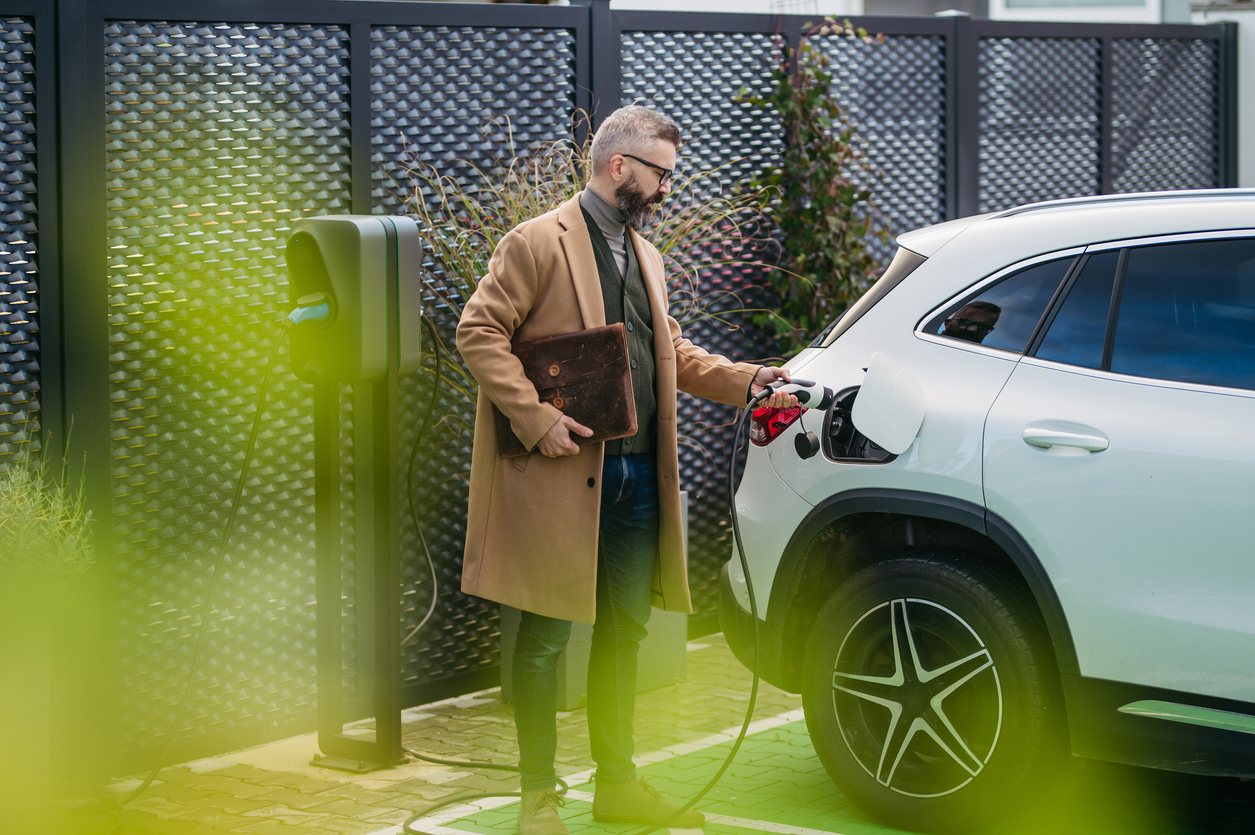
Home charging is where electric car ownership becomes significantly cheaper. Charging overnight using a standard home wall box or smart tariff can cost a fraction of what it takes to fuel a petrol car for the same distance.
Public charging, however, can be expensive. Rapid and motorway chargers often cost far more per kilowatt hour and can bring running costs close to or even above that of petrol or diesel in some regions. Drivers who cannot install home chargers or rely heavily on public charging may not experience the same level of savings.
Servicing, Maintenance and Repair Costs
Electric vehicles are mechanically simpler than traditional cars. They do not require oil changes, exhaust repairs, clutch replacements or many of the moving parts that commonly fail in combustion engines. This leads to lower routine maintenance costs over time.
Brake systems also tend to last longer due to regenerative braking. However, battery repairs or replacements can be extremely expensive if problems occur outside of warranty, which is an important long-term consideration for buyers.
Insurance and Real-World Running Costs
Insurance for electric cars can sometimes be higher, particularly for newer, more expensive models. Repair costs, parts availability and specialist technician requirements often influence premiums.
That said, drivers who travel long distances, commute regularly or spend heavily on fuel often see noticeable monthly savings once they switch to electric. The financial benefits are typically most visible for high-mileage drivers.
Are Electric Cars Worth It in 2025?
Electric cars are cheaper in the long run for many drivers, but they are not universally cheaper for everyone. They work best for people who can charge at home, drive regularly and keep their vehicles long term.
For short-distance drivers who rely on public chargers, the financial benefits may be less dramatic. The decision should be based on lifestyle, access to charging and driving habits rather than marketing promises alone.
Final Thoughts
Electric cars in 2025 are not just about environmental benefits. They represent a financial lifestyle shift. For the right driver, they offer real savings, smoother driving and lower maintenance stress. For others, they may still be a premium convenience rather than a money-saving move.
The key is understanding your personal usage, not just national statistics.